Latest posts from William D. Finlayson, Ph.D.
Unearthing Ontario’s past for more than six decades
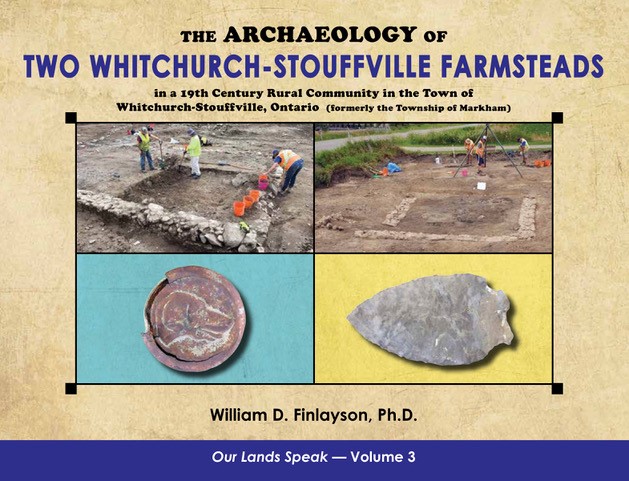
This is the first archaeological site we have excavated that was occupied by tenants. The investigation reminded me of the tremendous variability of 19th century homesteads and farmsteads. It seems that every site is slightly different, and each one provides additional insights into life as it was more than a century and a half ago. ...
It’s truly amazing, the coincidence of excavating two 19th century farmsteads located in the agricultural fields of the Indigenous people who occupied the Mantle site (many of whom probably occupied the Draper site as well), while at the same time I’ve been actively reviewing our excavations at Draper from more than 40 years ago. One ...
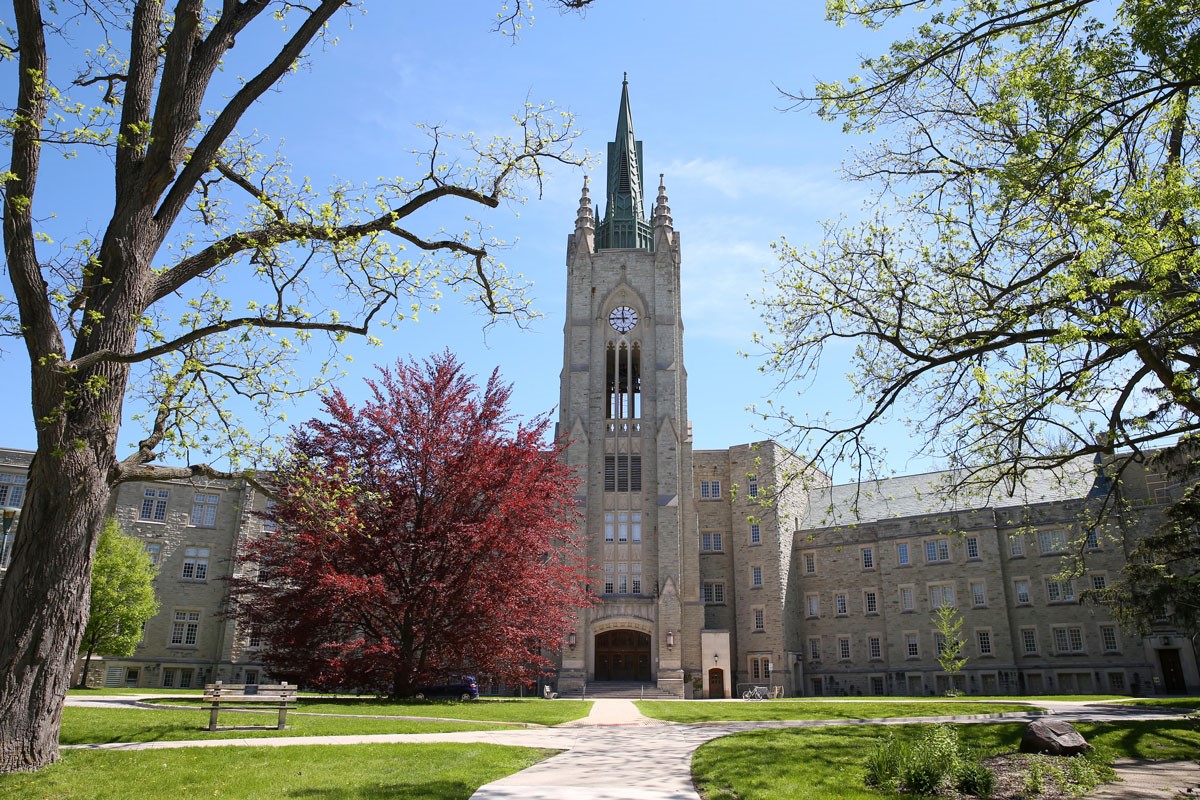
The first phase in revitalizing Wilfrid Jury’s museum involved changing reporting responsibility for the museum as a non-academic unit of The University of Western Ontario ... With the appropriate research and exploration, we decided to establish the museum as a UWO research centre which would accomplish what we had learned through Professor Ames, in that ...
This was state of affairs at the museum at that time. I assumed the position of Executive Director in February 1976 and began the challenge of its revitalization as an archaeological research centre committed to field work, analysis, and reporting of sites in southwestern and southcentral Ontario. It was a daunting task, but one which ...
It was with this background knowledge that I took on the job to dig the Draper site, which was a vital component in the revitalization of Wilfrid’s Museum, in part because it demonstrated the ability of archaeology to continue to attract large contracts to the university. It is also part of the narrative in understanding ...
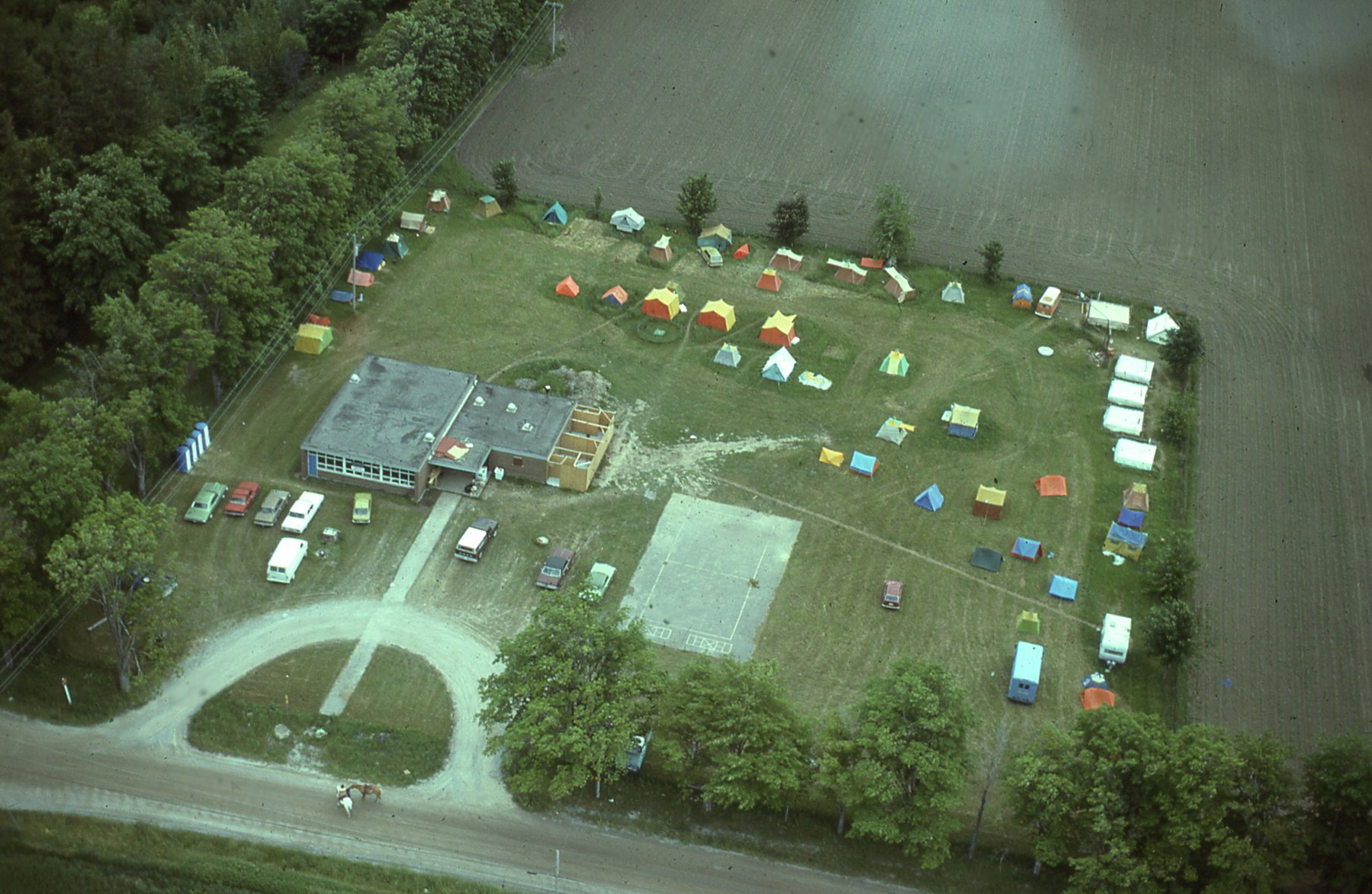
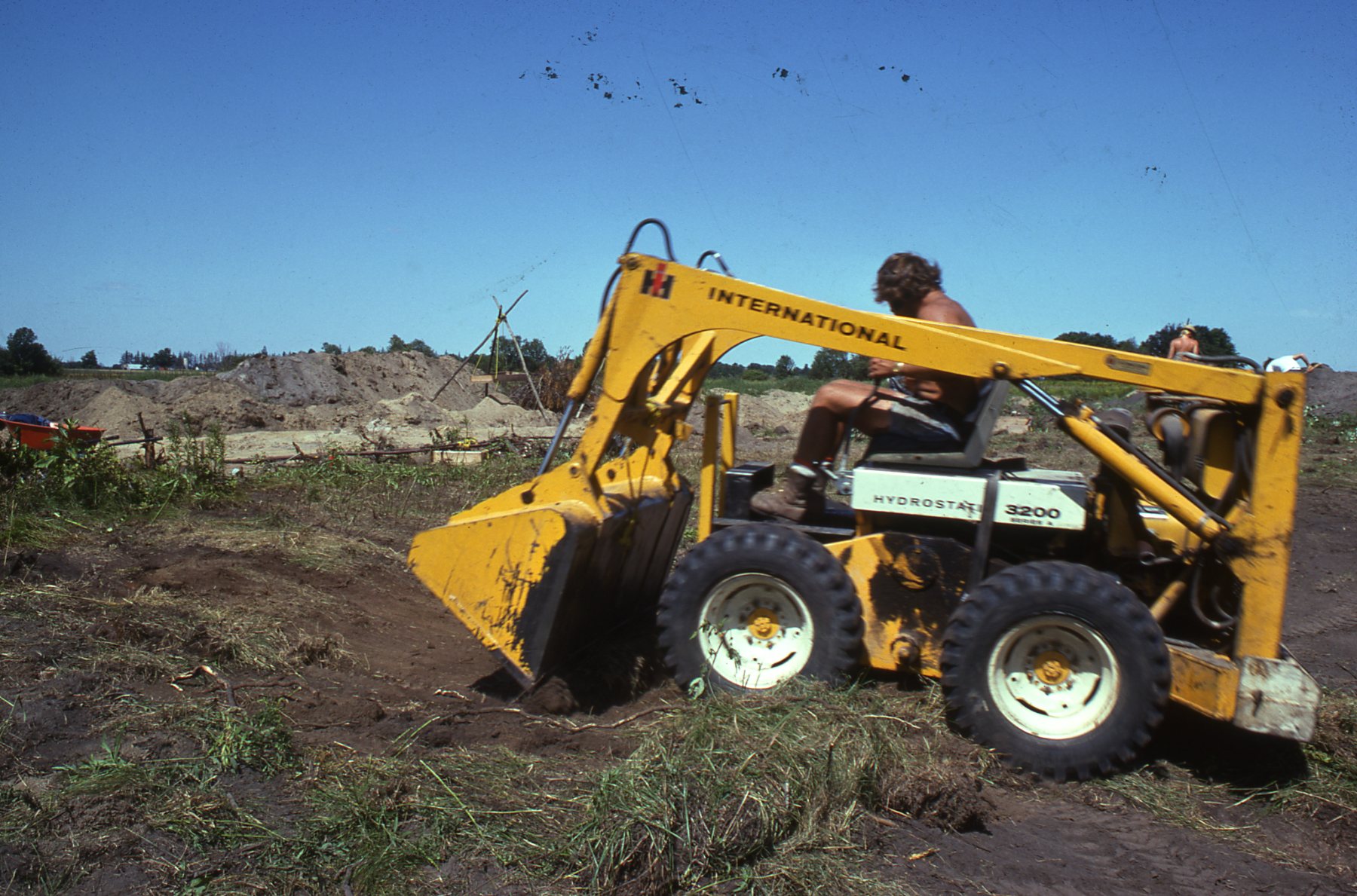
One of the challenges in undertaking the excavations at the Draper site in 1975 and 1978 was ensuring the safe operation of the dig, the security of the excavations, and providing accommodations and meals for our crews which at times numbered up to 60 people. These are just a few of the more memorable events ...
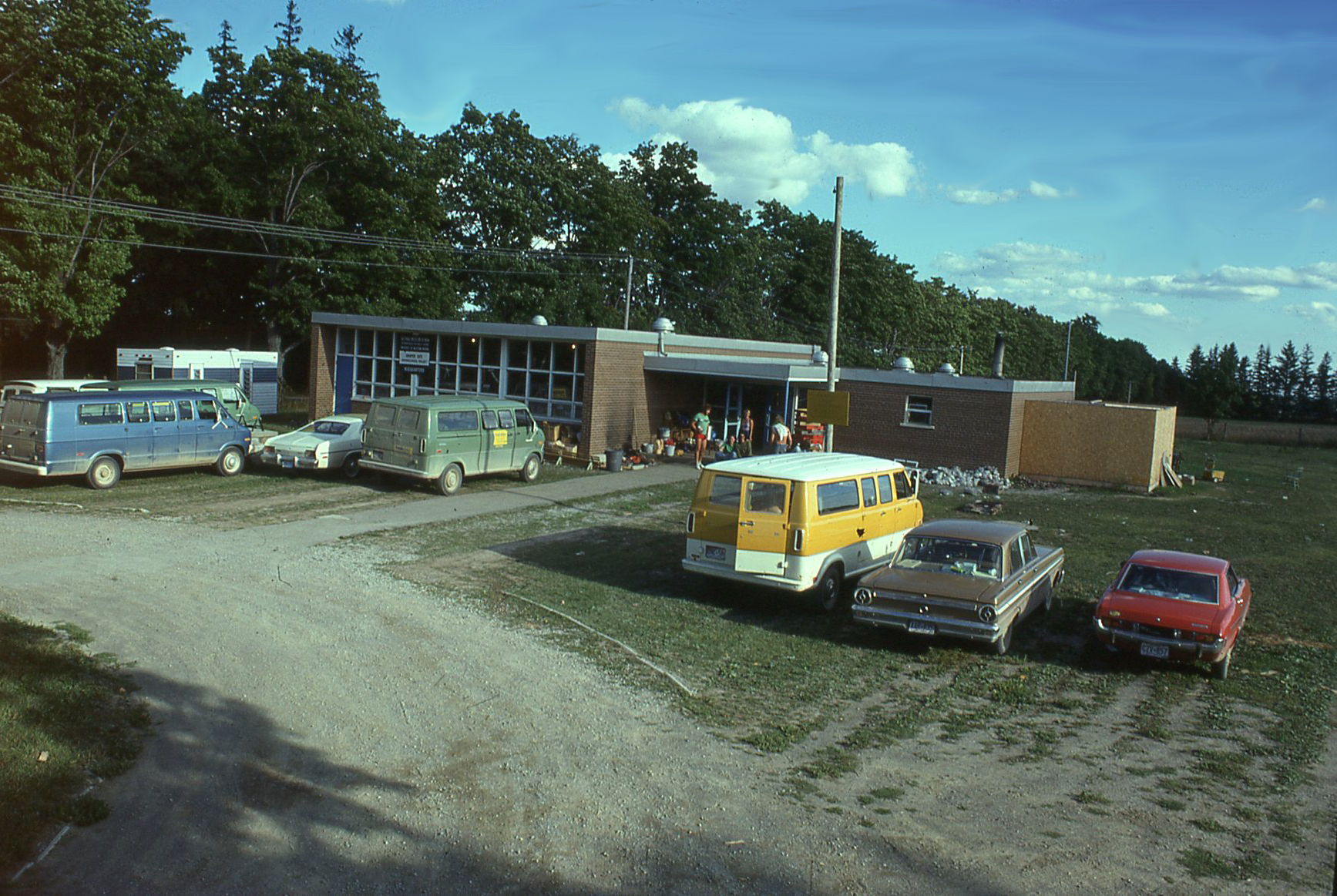
One of the advantages of our field work at the New Toronto International Airport from 1975 to 1979 was that we had the use of some of the buildings which had been expropriated by the Federal Government. Most important was the two-room Glasgow schoolhouse a few km north of Draper. This became our headquarters for ...
One of the aspects of planning the excavations of the Draper Site in 1975 was negotiating a contract between The University of Western Ontario and the National Museum of Man . . . Another life-changing event, which ultimately lead to another incredible opportunity to significantly expand my exploration of Ontario’s rich archaeological history. Embracing new ...
We now delve into the challenges of recognizing the potential contamination of living floors under the longhouses. The excavations of Houses 2 and 5 at Draper provide a cautionary tale that if we are to explore the living floors of undisturbed longhouses, we must be aware of the possibility of contamination of these deposits from ...
Our 1975 and 1978 excavations at the Draper Site revealed many fascinating aspects about this Iroquoian village which has traditionally been dated to about 1450-1500 A.D. ...
An important goal of our investigations was to excavate the middens (garbage dumps) located across the Draper site, where we found significant quantities of artifacts. ...
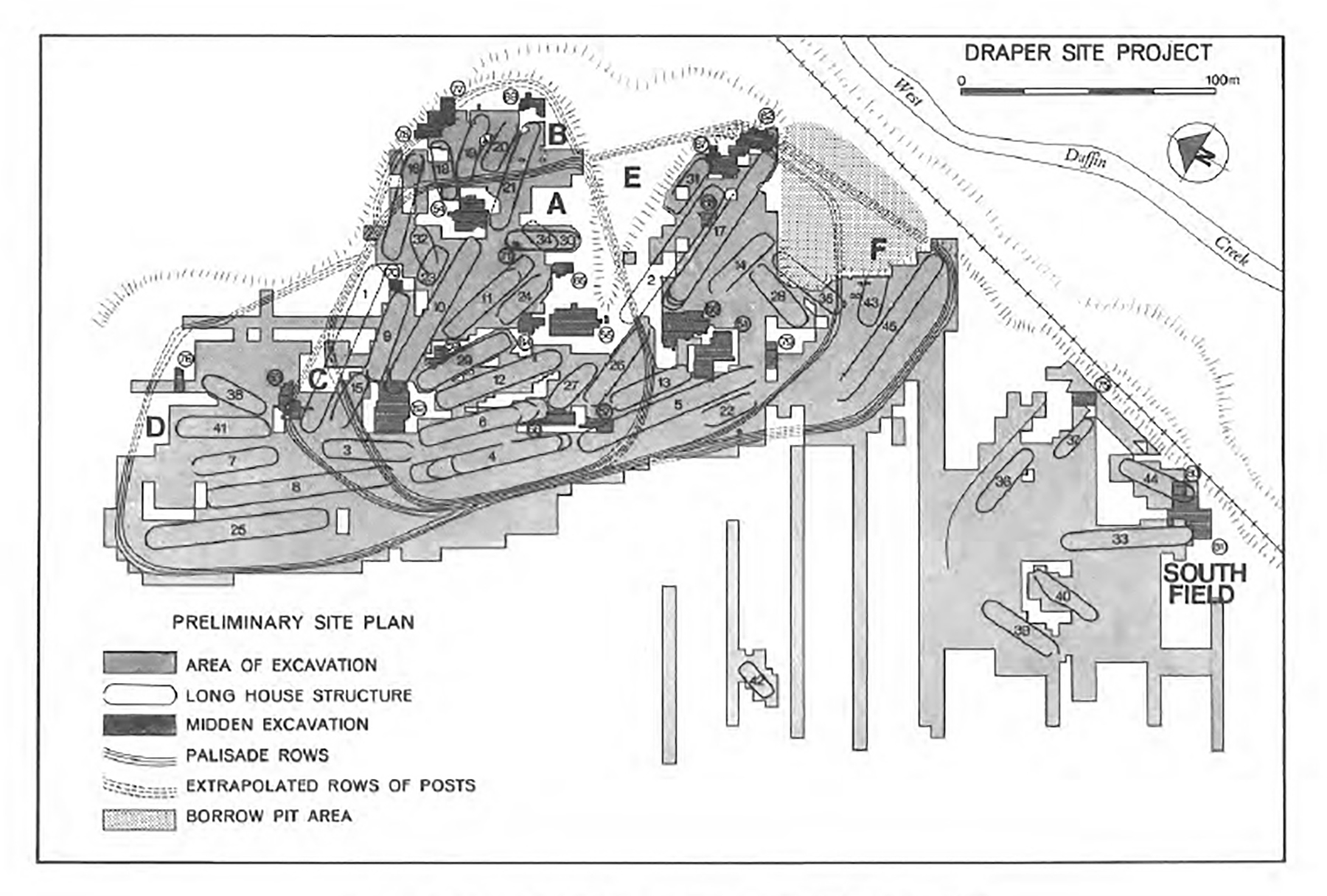
Our excavations to search for longhouses and palisades revealed a unique and very complex settlement. At the same time, our detailed investigation of some of the undisturbed longhouses provided an unparalleled opportunity to explore the artifacts left behind when the longhouses of the village were abandoned . . . ...