Wilfrid Jury’s Museum of Indian Archaeology and Pioneer Life in 1976
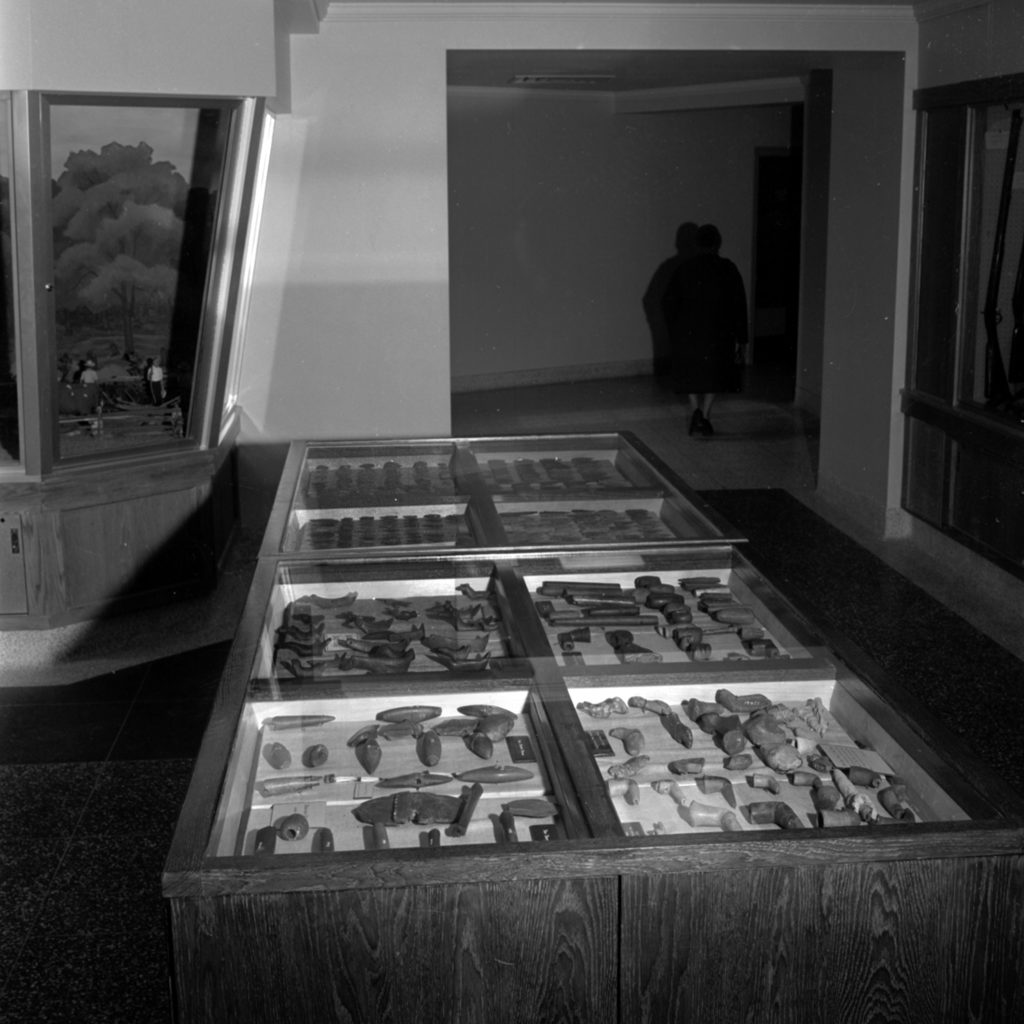
This was state of affairs at the museum at that time. I assumed the position of Executive Director in February 1976 and began the challenge of its revitalization as an archaeological research centre committed to field work, analysis, and reporting of sites in southwestern and southcentral Ontario. It was a daunting task, but one which was rewarding and productive for more than 20 years.
My Early Years at The University of Western Ontario
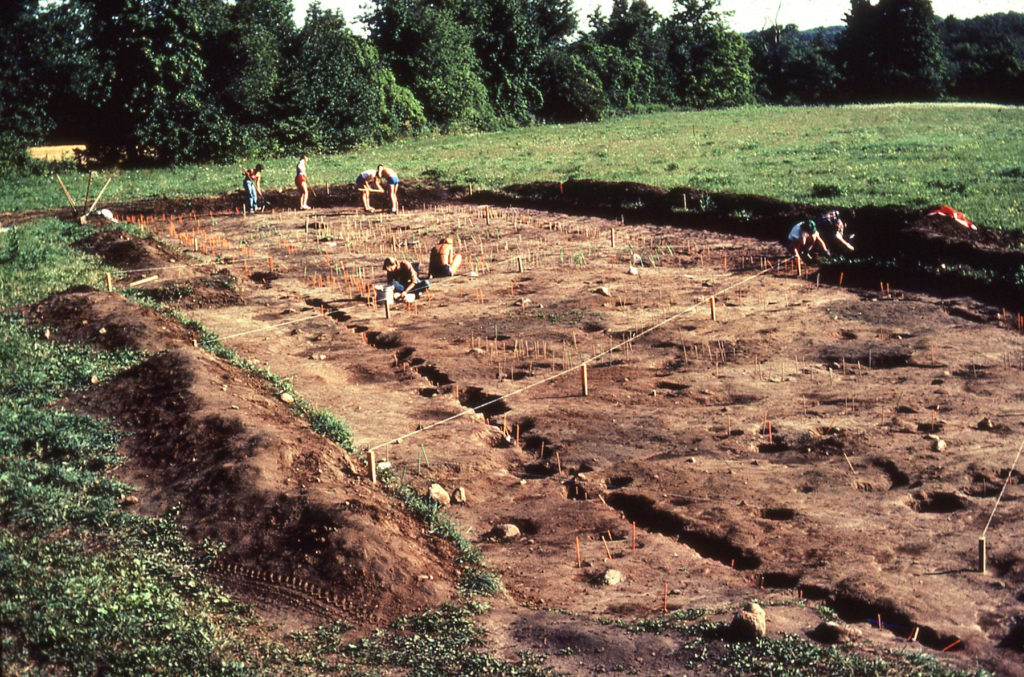
It was with this background knowledge that I took on the job to dig the Draper site, which was a vital component in the revitalization of Wilfrid’s Museum, in part because it demonstrated the ability of archaeology to continue to attract large contracts to the university. It is also part of the narrative in understanding how the opportunity arose for me to become Executive Director of the Museum without a university salary.
The 1975 Excavations at the Draper Site: Problem Solved, Opportunity Created
One of the aspects of planning the excavations of the Draper Site in 1975 was negotiating a contract between The University of Western Ontario and the National Museum of Man . . . Another life-changing event, which ultimately lead to another incredible opportunity to significantly expand my exploration of Ontario’s rich archaeological history. Embracing new uncharted territory enhances our journey on all levels and, in a way, pushes us to use more of our experience and skills for the greater good.