Additional Observations Contributing to Ontario’s Past Through Archaeology: More on Plagiarism
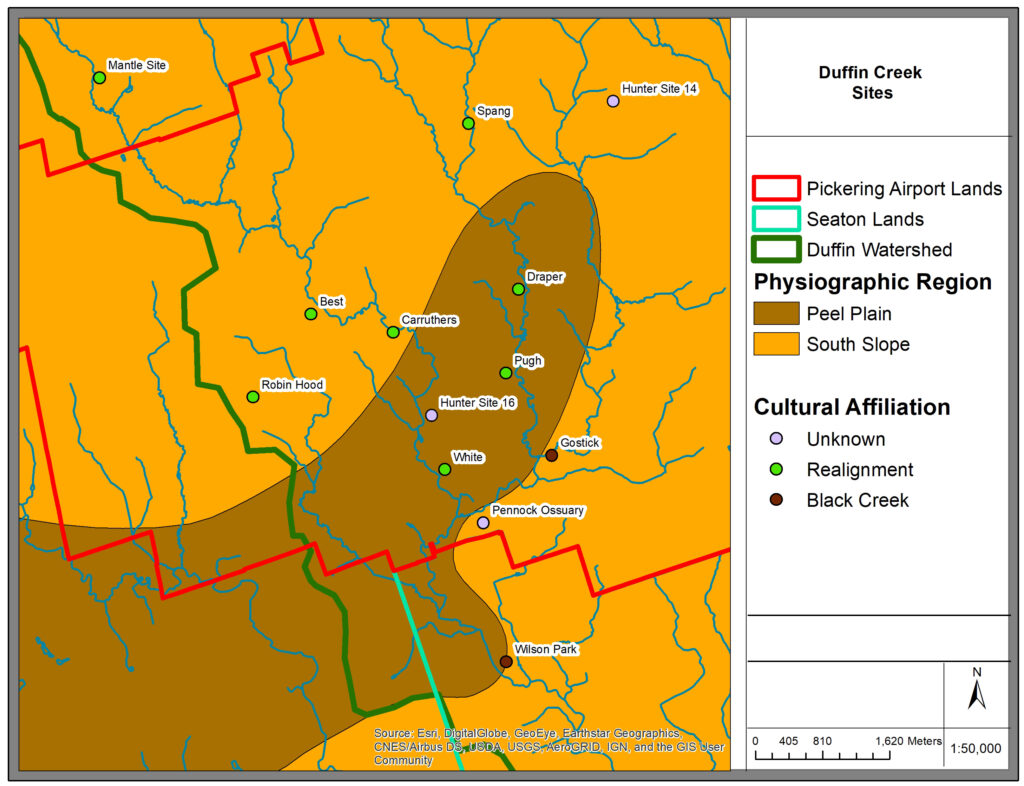
Welcome back to Our Lands Speak blog. My wishes for us all, a promising and healthy new year. That said, these times we’re living in still feel full of upheaval and uncertainty. More now than ever it is important to remind ourselves of what matters most to us, our families, and our livelihoods. Then we must stay the course of what is true and worthy of our attention. With this in mind, we continue the conversation we began in November on some of the less than noble practices affecting archaeology today.
Early Engagement with Indigenous People
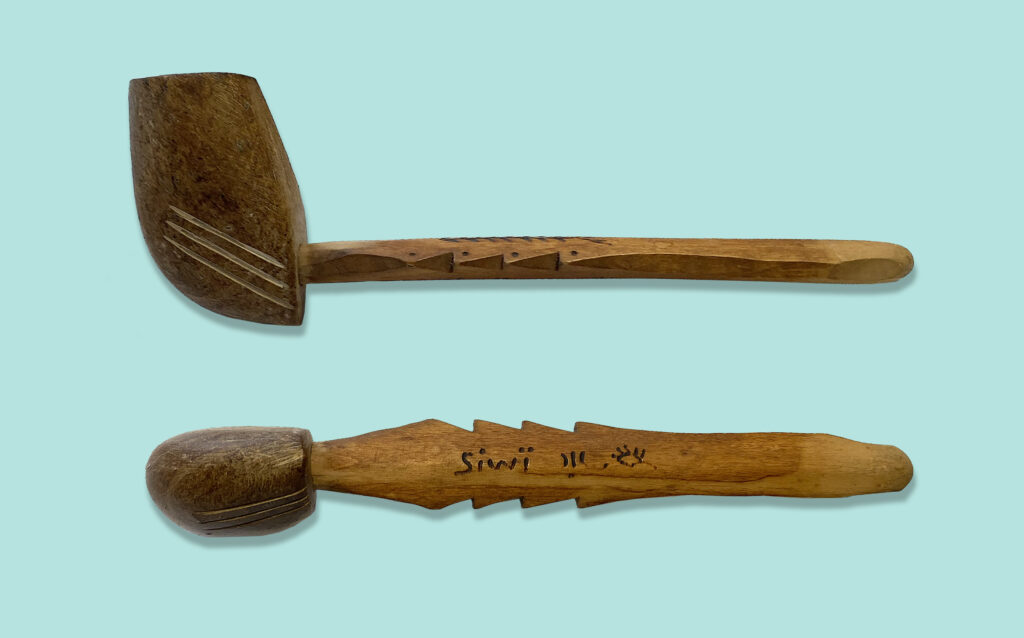
This early program of incorporating Huron-Wendat students from Wendake, Quebec was one of the first examples of sharing the process of archaeological investigations with 20th century Indigenous peoples. One of the fondest memories I have of this pioneering program was being presented with a smoking pipe and stone bowl and a wooden stem made and signed by Regent Sioui for my role in facilitating this program. We continue to look back to move forward.
Iroquoian Arrowhead Collectors at the 16th Century Draper Site
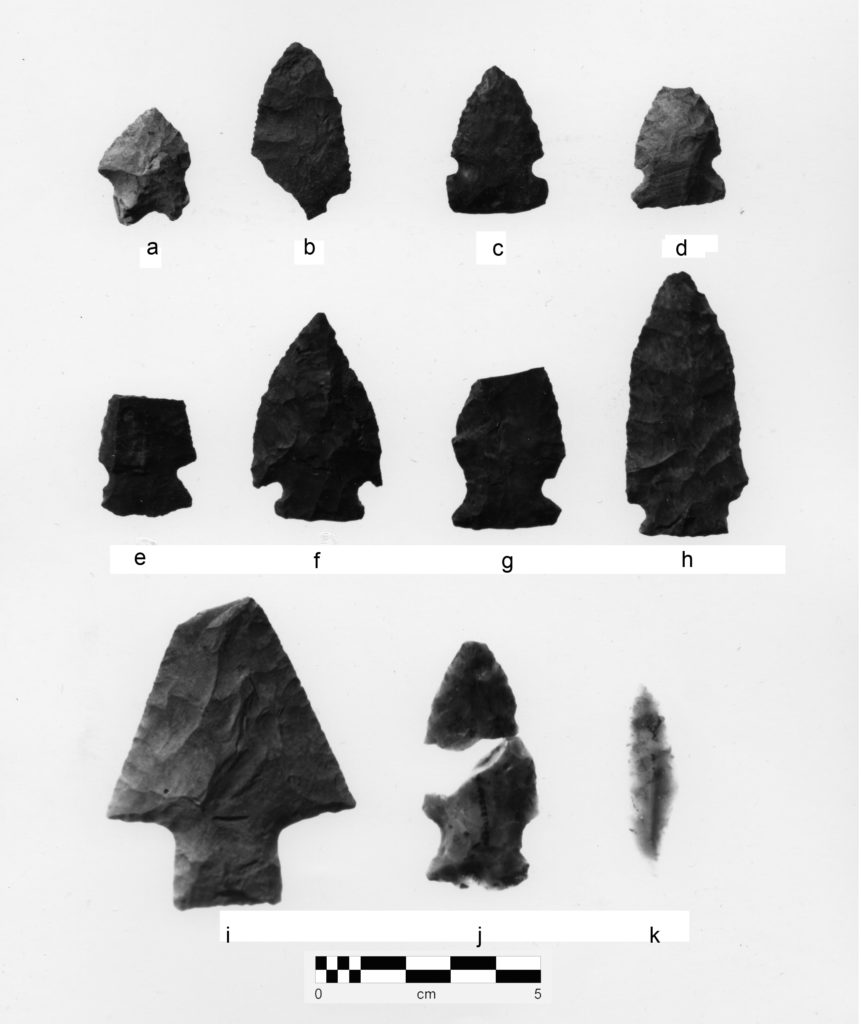
One never knows what unusual artifacts are to be found in the collections at sites such as Draper and what new insights will result from their study.
Fittingly, I continue this blog series with another extraordinary set of findings we recovered from our excavations at the Draper site in 1975 and 1978. This involves 10 projectile points which predate the occupation of the Draper Village by many centuries. Indeed, one of these projectile points may be 8,000 to 8,900 years old, while some are several millennia old.