The White Site
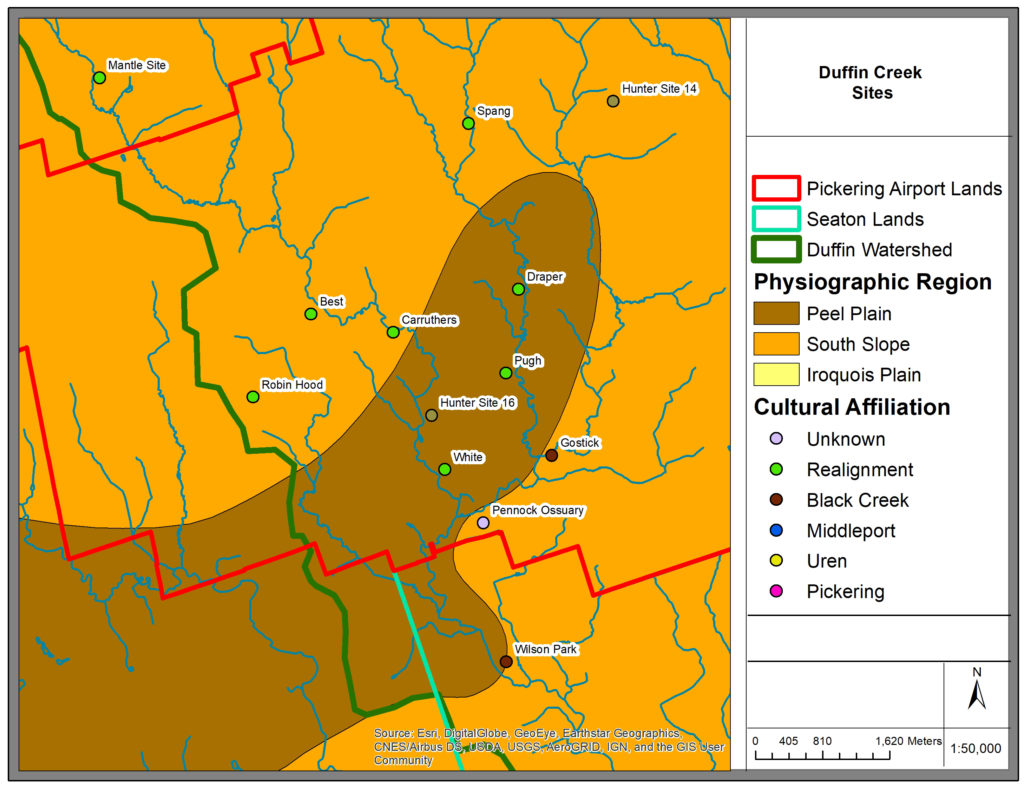
Tripp noted 10 characteristics which suggested that the White site was a farm hamlet, occupied seasonally over many years. Among these unusual features were an absence of village planning and defensive planning in the placement of houses, which on the other hand was so prevalent at Draper.
The Draper Site: Special Structures, Chiefs’ Houses
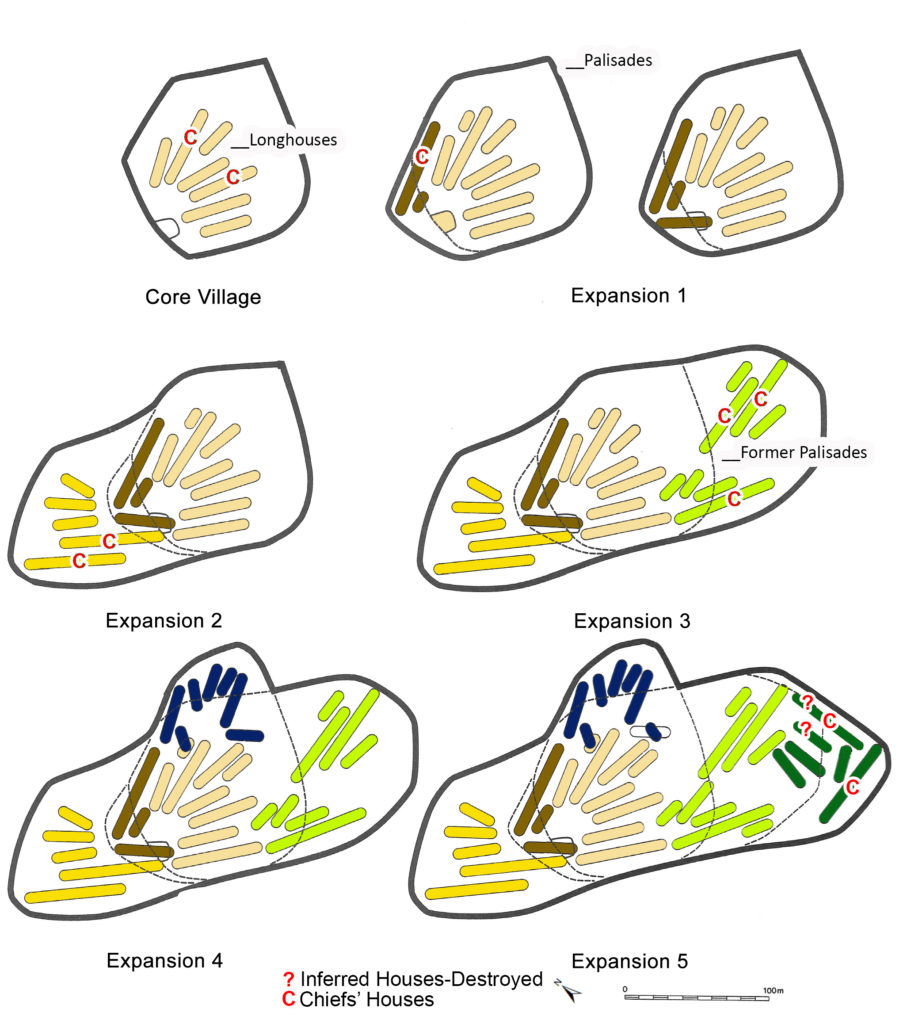
We know from the historical documents of the Historic Huron that these types of houses existed. We can use this data to help us better understand the occupants of the Draper site. It is noteworthy that as the village expanded, these long longhouses were situated on the outer edges of the expanded part of the village. Such a pattern of placement of chiefs’ houses—to potentially assist in village defenses—may be unique to the Draper site.
The Yake Site
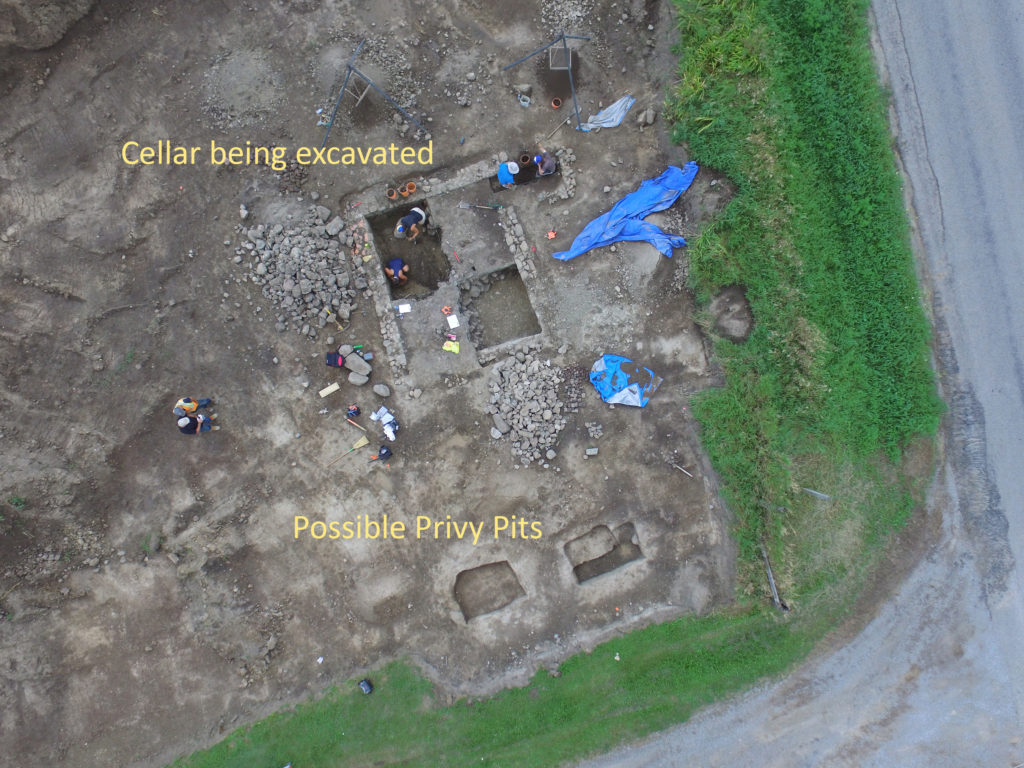
This is the first archaeological site we have excavated that was occupied by tenants. The investigation reminded me of the tremendous variability of 19th century homesteads and farmsteads. It seems that every site is slightly different, and each one provides additional insights into life as it was more than a century and a half ago. Interestingly at times, these insights can be very different than the written history of the era.