Evidence for Indigenous Warfare at the Draper Village Site Part 2
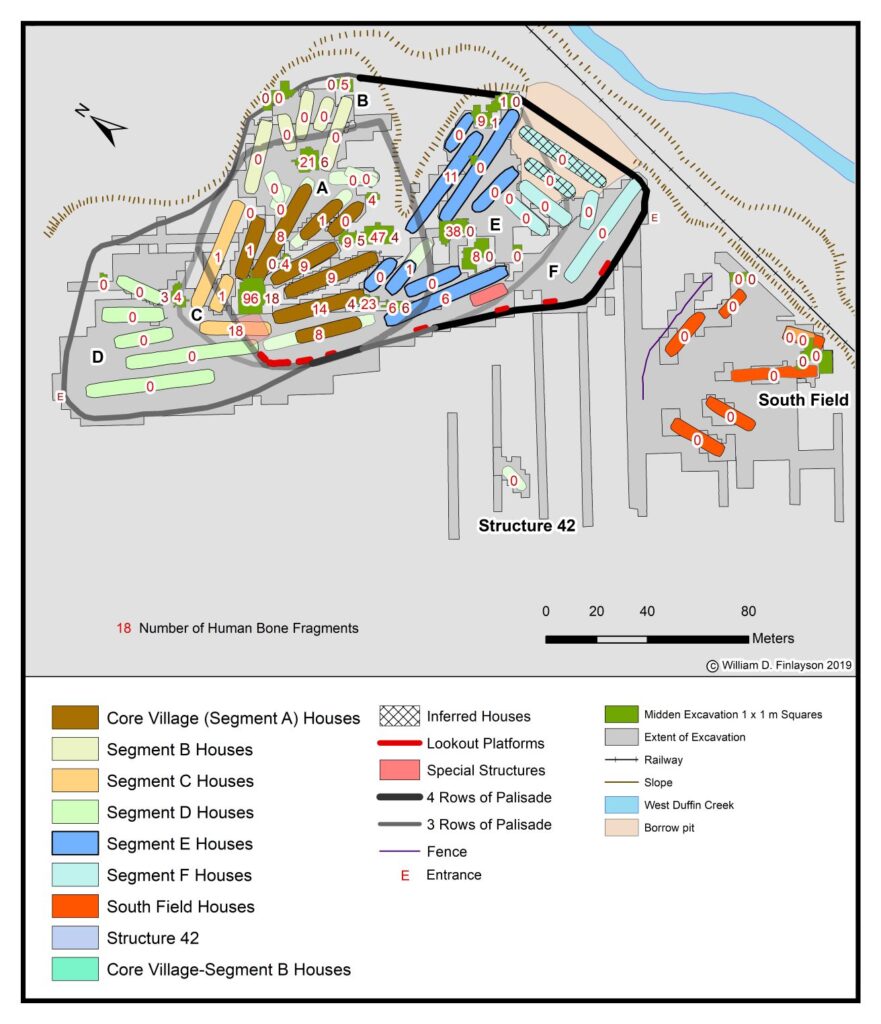
As we continue this sensitive topic from Evidence for Indigenous Warfare at the Draper Village Site Part 1, we reiterate that although this isn’t an easy part of any country’s history to explore, let alone read about or appreciate, it does help to understand the past in a way that gives clarity to the present and future generations of its people. The more research we do into the Late Woodland occupation of southern Ontario by Iroquoian and Anishinabek peoples, the more we realize how little we know and how much more can be learned.
Evidence for Indigenous Warfare at the Draper Village Site Part 1
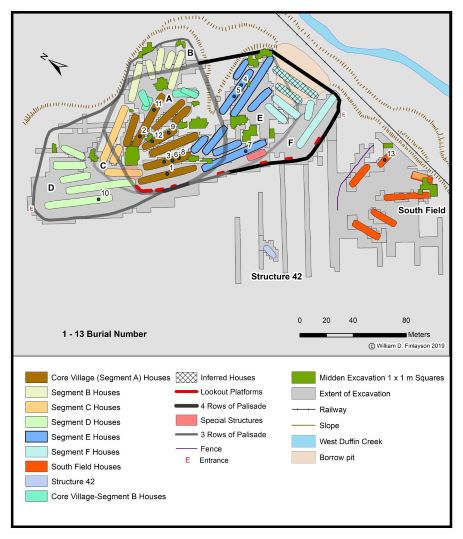
This isn’t an easy part of any country’s history to explore let alone read about or appreciate, however, it does help to understand the past in a way that gives clarity to the present and future generations of its people. As archaeologists, we don’t always know what we’re going to come across in our work. As such, we take great care and respect in excavating and preserving our findings. Some of our evaluations may be considered professional interpretations due to missing data, yet others present with such clear fact as indicated here that there is no other side but a single truth. Please note: part of this post contains graphic details which may be uncomfortable for some readers.
Iroquoian Arrowhead Collectors at the 16th Century Draper Site
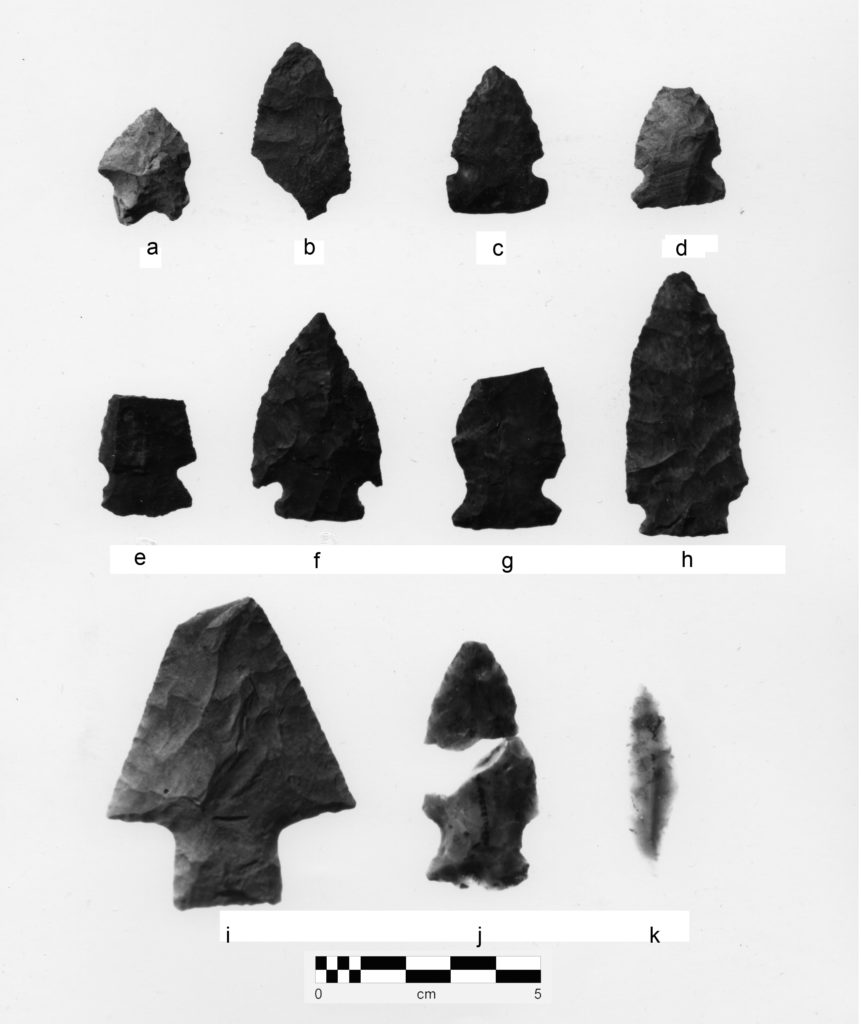
One never knows what unusual artifacts are to be found in the collections at sites such as Draper and what new insights will result from their study.
Fittingly, I continue this blog series with another extraordinary set of findings we recovered from our excavations at the Draper site in 1975 and 1978. This involves 10 projectile points which predate the occupation of the Draper Village by many centuries. Indeed, one of these projectile points may be 8,000 to 8,900 years old, while some are several millennia old.