The 1975 Excavations at the Draper Site: Problem Solved, Opportunity Created
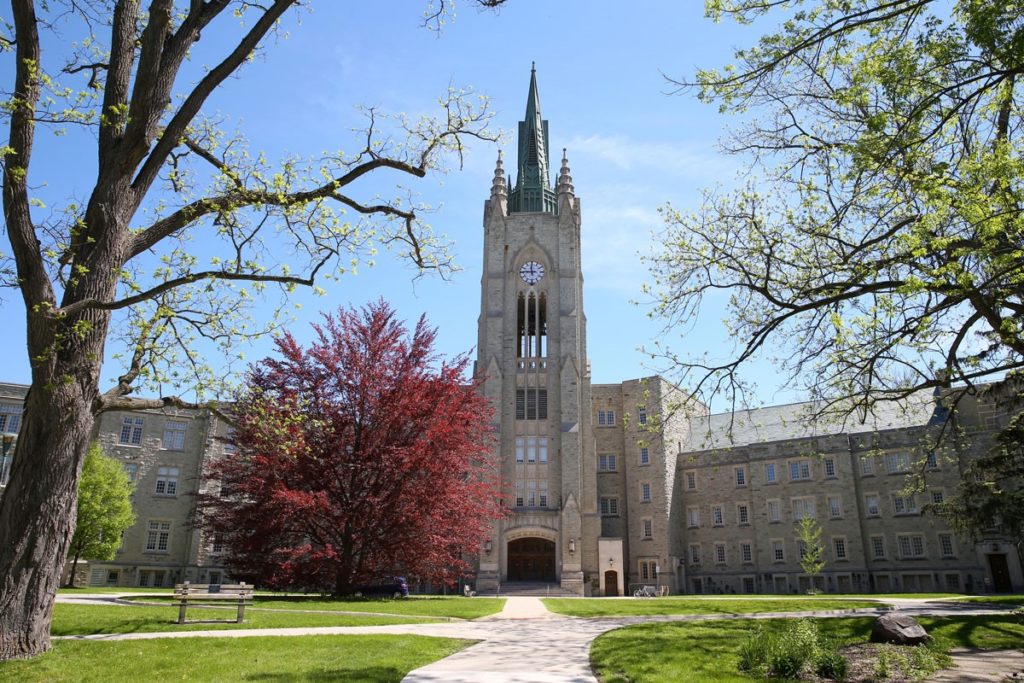
One of the aspects of planning the excavations of the Draper Site in 1975 was negotiating a contract between The University of Western Ontario and the National Museum of Man . . . Another life-changing event, which ultimately lead to another incredible opportunity to significantly expand my exploration of Ontario’s rich archaeological history. Embracing new uncharted territory enhances our journey on all levels and, in a way, pushes us to use more of our experience and skills for the greater good.
Contamination of Living Floors under Longhouses at the Draper Site
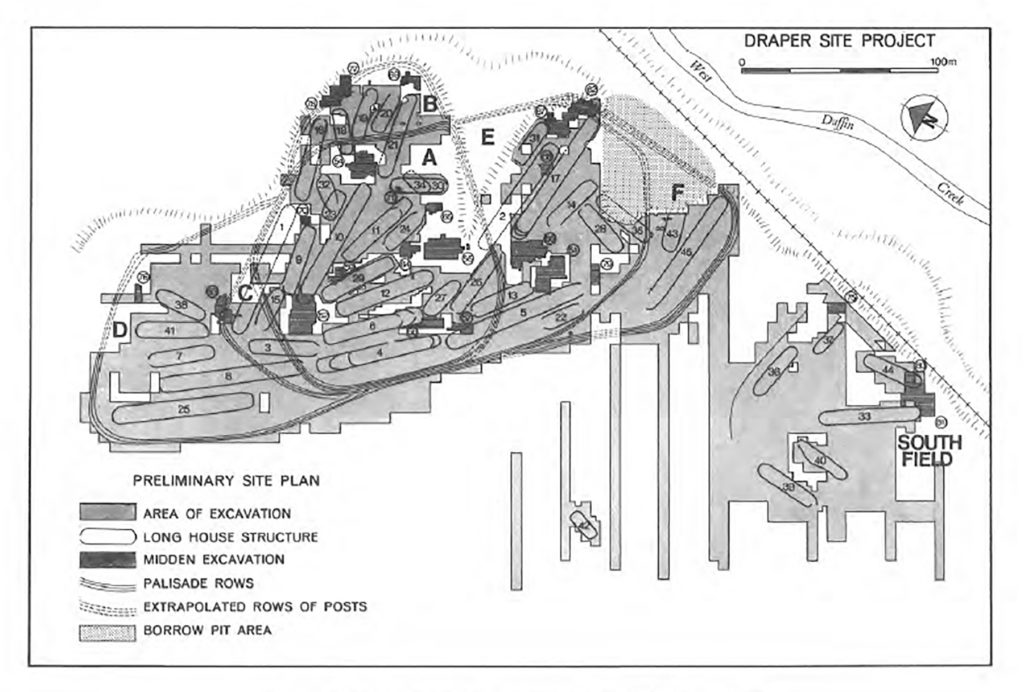
We now delve into the challenges of recognizing the potential contamination of living floors under the longhouses. The excavations of Houses 2 and 5 at Draper provide a cautionary tale that if we are to explore the living floors of undisturbed longhouses, we must be aware of the possibility of contamination of these deposits from activities of earlier occupations. This work and the accuracy of it is paramount to us continuing to learn more about our Ontario history and those who lived here before us.
Digging for Houses and Palisades at the Draper Site, Part 1
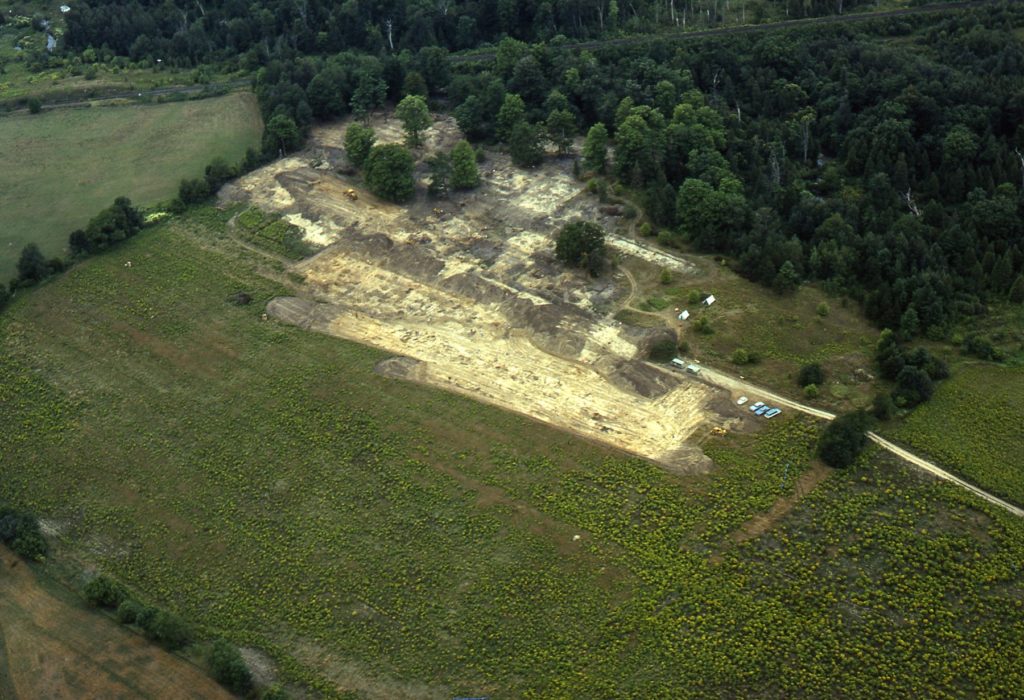
There were two major kinds of archaeological deposits at the Draper site that we had to investigate: settlement pattern data (longhouses and defensive structures) and middens (garbage dumps with many artifacts).