Evidence for Indigenous Warfare at the Draper Village Site Part 2
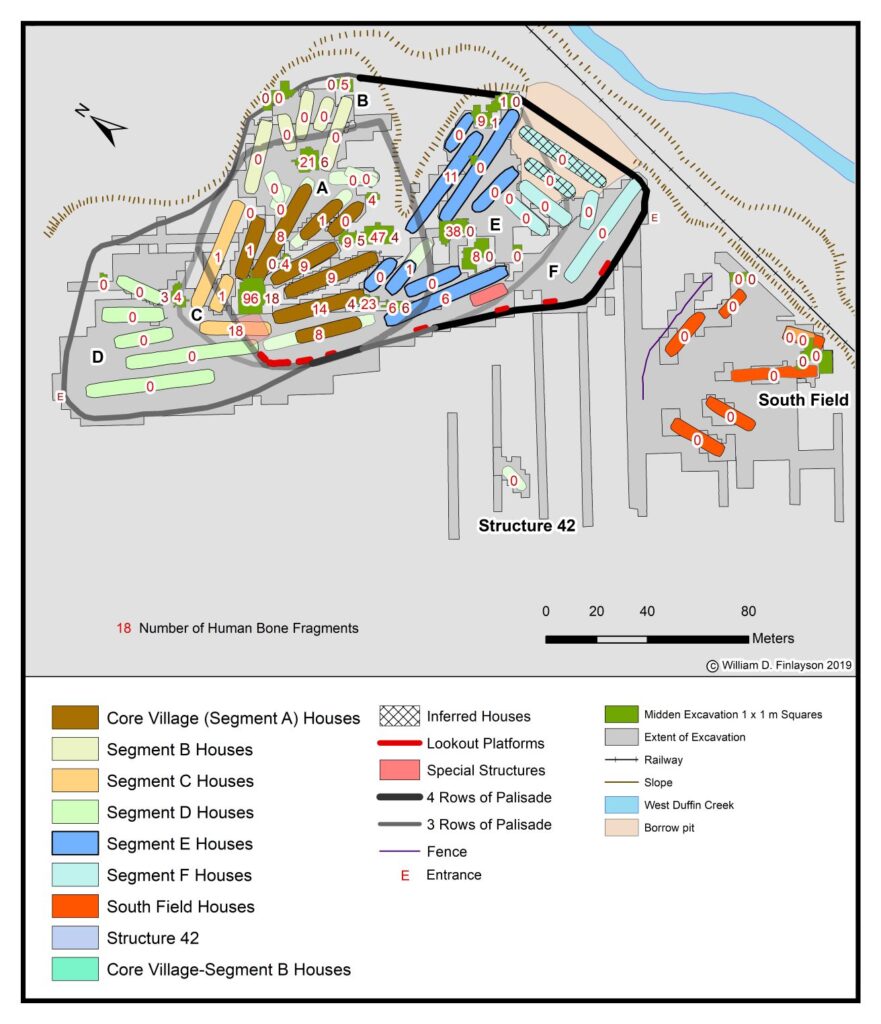
As we continue this sensitive topic from Evidence for Indigenous Warfare at the Draper Village Site Part 1, we reiterate that although this isn’t an easy part of any country’s history to explore, let alone read about or appreciate, it does help to understand the past in a way that gives clarity to the present and future generations of its people. The more research we do into the Late Woodland occupation of southern Ontario by Iroquoian and Anishinabek peoples, the more we realize how little we know and how much more can be learned.
Evidence for Indigenous Warfare at the Draper Village Site Part 1
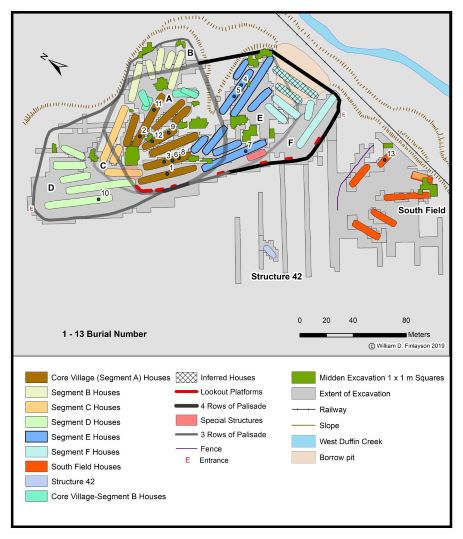
This isn’t an easy part of any country’s history to explore let alone read about or appreciate, however, it does help to understand the past in a way that gives clarity to the present and future generations of its people. As archaeologists, we don’t always know what we’re going to come across in our work. As such, we take great care and respect in excavating and preserving our findings. Some of our evaluations may be considered professional interpretations due to missing data, yet others present with such clear fact as indicated here that there is no other side but a single truth. Please note: part of this post contains graphic details which may be uncomfortable for some readers.
Draper Village Site Defensive Structures Part 2
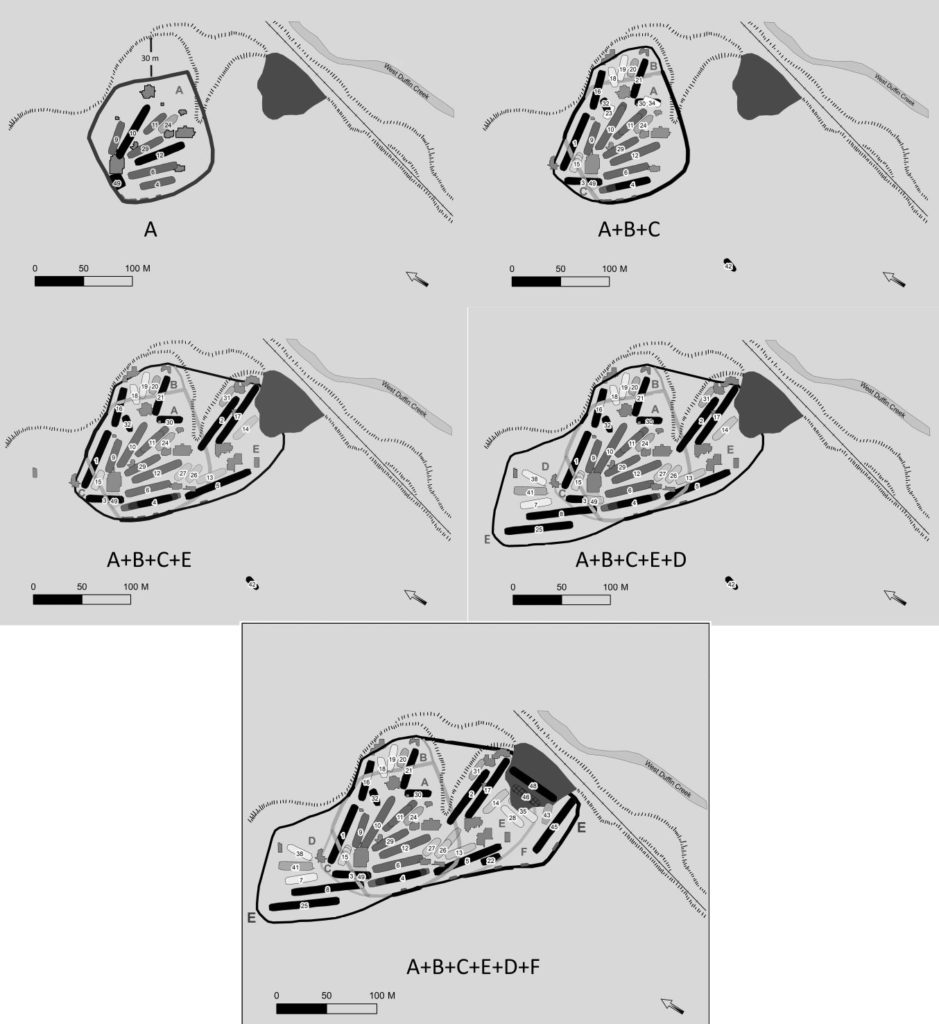
Here, we look at the additional planning that the Iroquoians—who lived at Draper and who moved into Draper—undertook as the various expansions of the village were constructed. As you will see, there was significant planning and I believe that much of this was of a strategic nature. Its specific purpose was to position longhouses to provide additional defensive barriers to assist in the protection of the village . . .