The Draper Site: Special Structures, Chiefs’ Houses
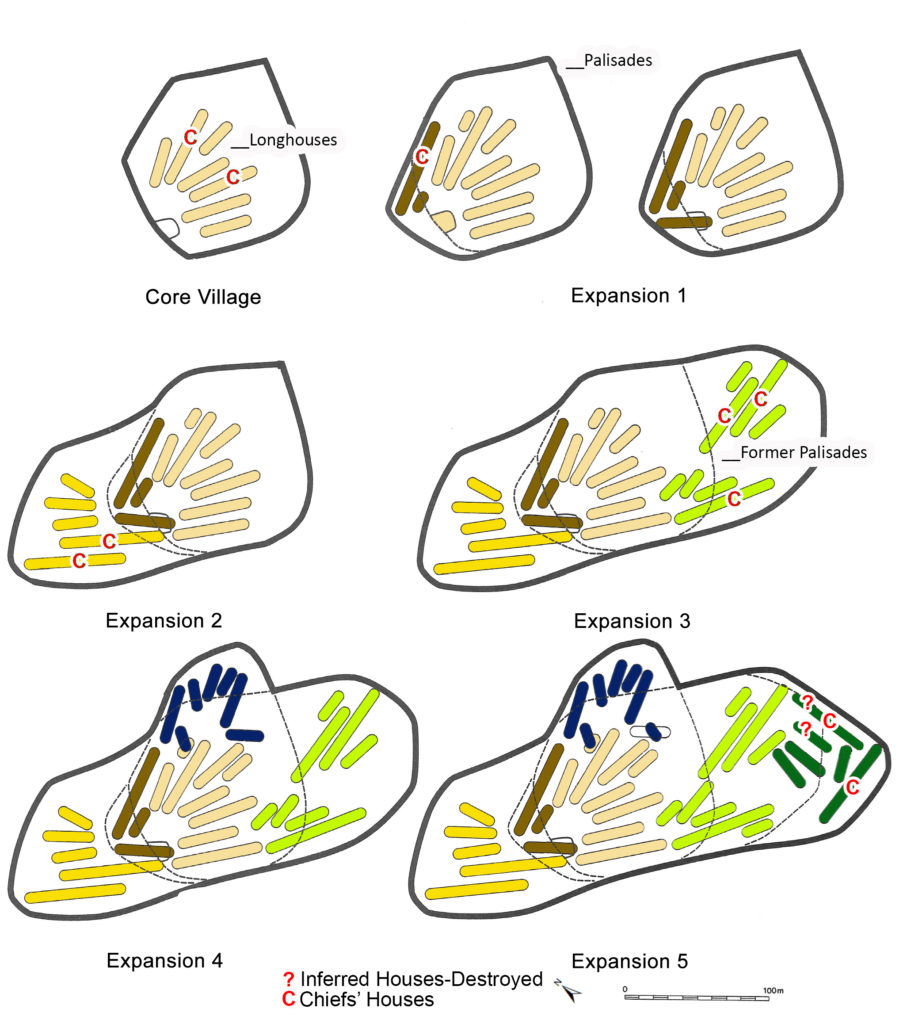
We know from the historical documents of the Historic Huron that these types of houses existed. We can use this data to help us better understand the occupants of the Draper site. It is noteworthy that as the village expanded, these long longhouses were situated on the outer edges of the expanded part of the village. Such a pattern of placement of chiefs’ houses—to potentially assist in village defenses—may be unique to the Draper site.
Setting the Stage for the Yake and Windmill Sites, Two 19th Century Farmsteads in Whitchurch-Stouffville Township, Ontario
It’s truly amazing, the coincidence of excavating two 19th century farmsteads located in the agricultural fields of the Indigenous people who occupied the Mantle site (many of whom probably occupied the Draper site as well), while at the same time I’ve been actively reviewing our excavations at Draper from more than 40 years ago. One of the wonderful aspects of my work is that we never know where we will be working and what we are going to find.
Wilfrid Jury’s Museum of Indian Archaeology and Pioneer Life in 1976
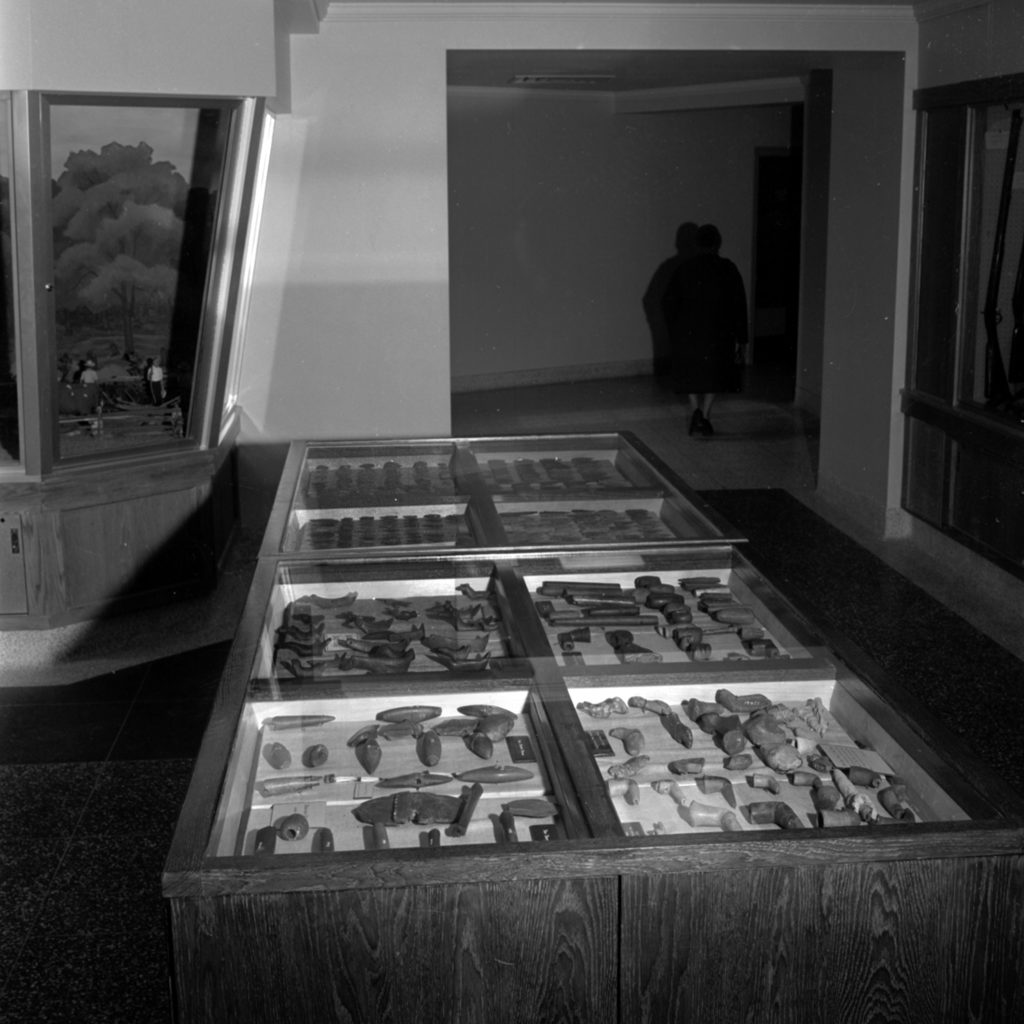
This was state of affairs at the museum at that time. I assumed the position of Executive Director in February 1976 and began the challenge of its revitalization as an archaeological research centre committed to field work, analysis, and reporting of sites in southwestern and southcentral Ontario. It was a daunting task, but one which was rewarding and productive for more than 20 years.