My Early Years at The University of Western Ontario
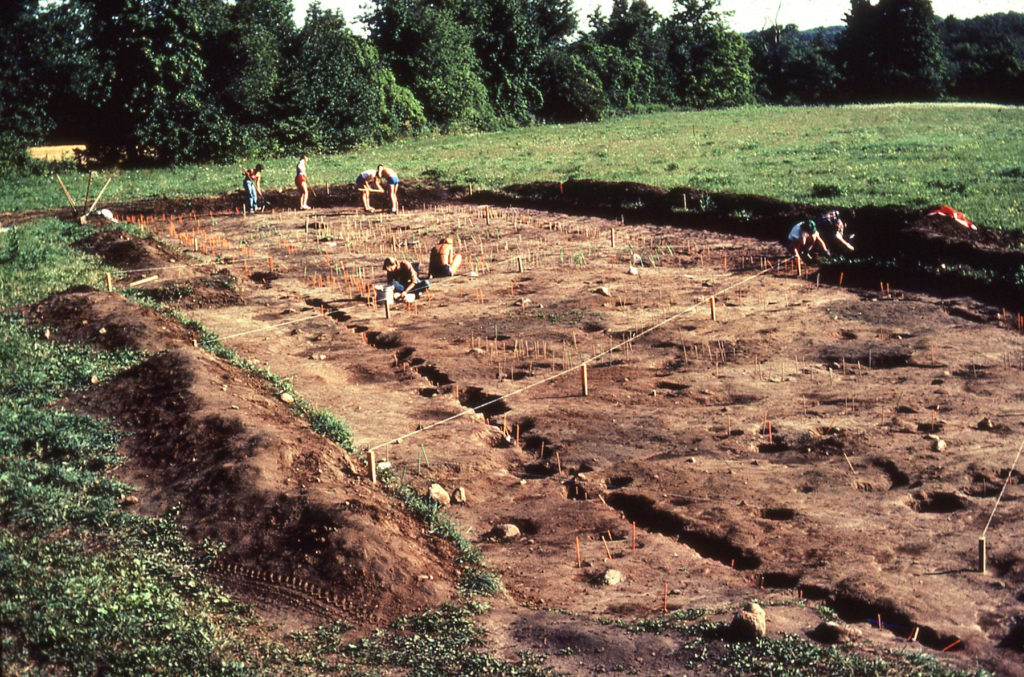
It was with this background knowledge that I took on the job to dig the Draper site, which was a vital component in the revitalization of Wilfrid’s Museum, in part because it demonstrated the ability of archaeology to continue to attract large contracts to the university. It is also part of the narrative in understanding how the opportunity arose for me to become Executive Director of the Museum without a university salary.
Draper Site Excavations – Trials and Tribulations
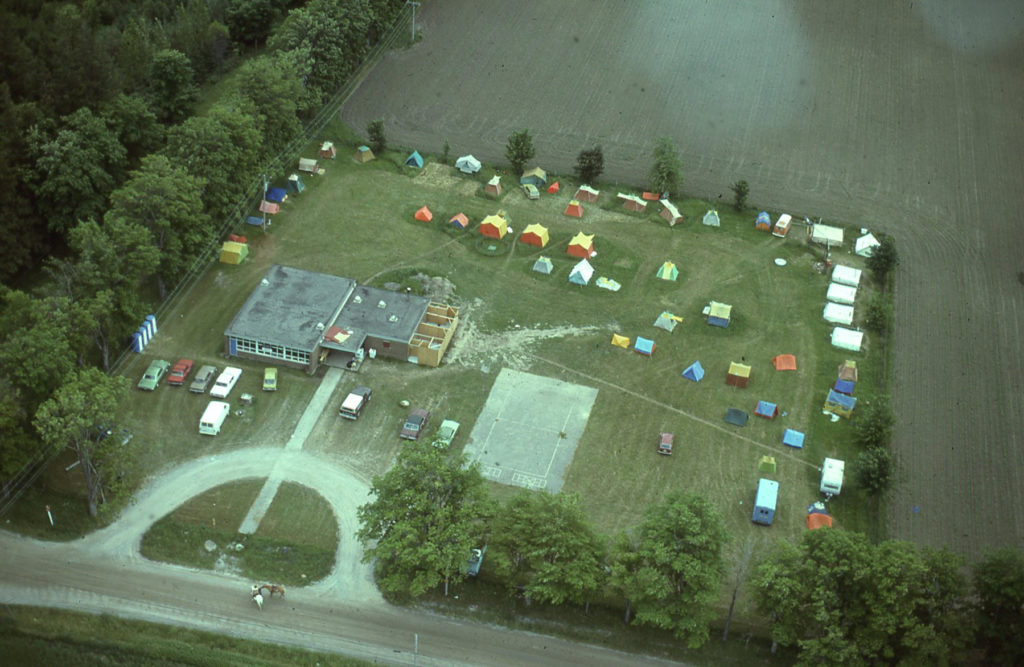
One of the challenges in undertaking the excavations at the Draper site in 1975 and 1978 was ensuring the safe operation of the dig, the security of the excavations, and providing accommodations and meals for our crews which at times numbered up to 60 people. These are just a few of the more memorable events at Draper, which remind me of the challenges of directing the size of crews we needed to complete the largest and most significant excavations of an Iroquoian village ever undertaken in the province. Still, one of the highlights of my career I feel fortunate to share and contribute to our archaeological history.
Draper Site Field Laboratories and Crew Accommodations
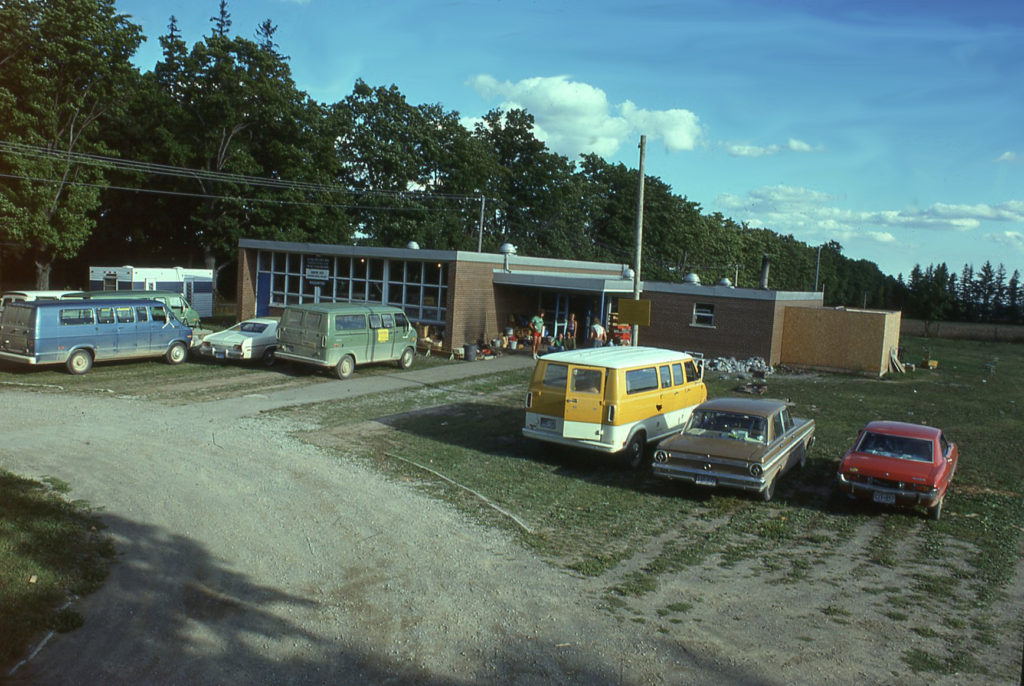
One of the advantages of our field work at the New Toronto International Airport from 1975 to 1979 was that we had the use of some of the buildings which had been expropriated by the Federal Government. Most important was the two-room Glasgow schoolhouse a few km north of Draper. This became our headquarters for the large crews in 1975 and 1978 . . . By undertaking major portions of the processing of the artifacts and information recovered in the field, we were able reduce the amount of such work to be handled back at the laboratories at the University.