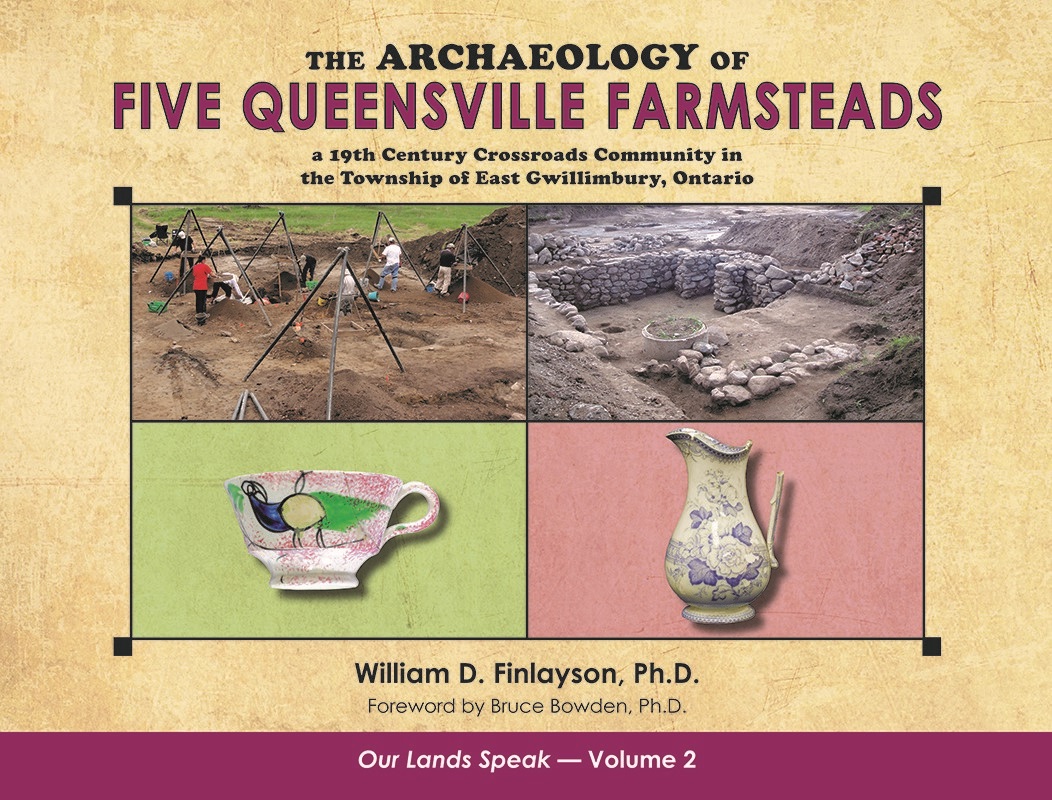
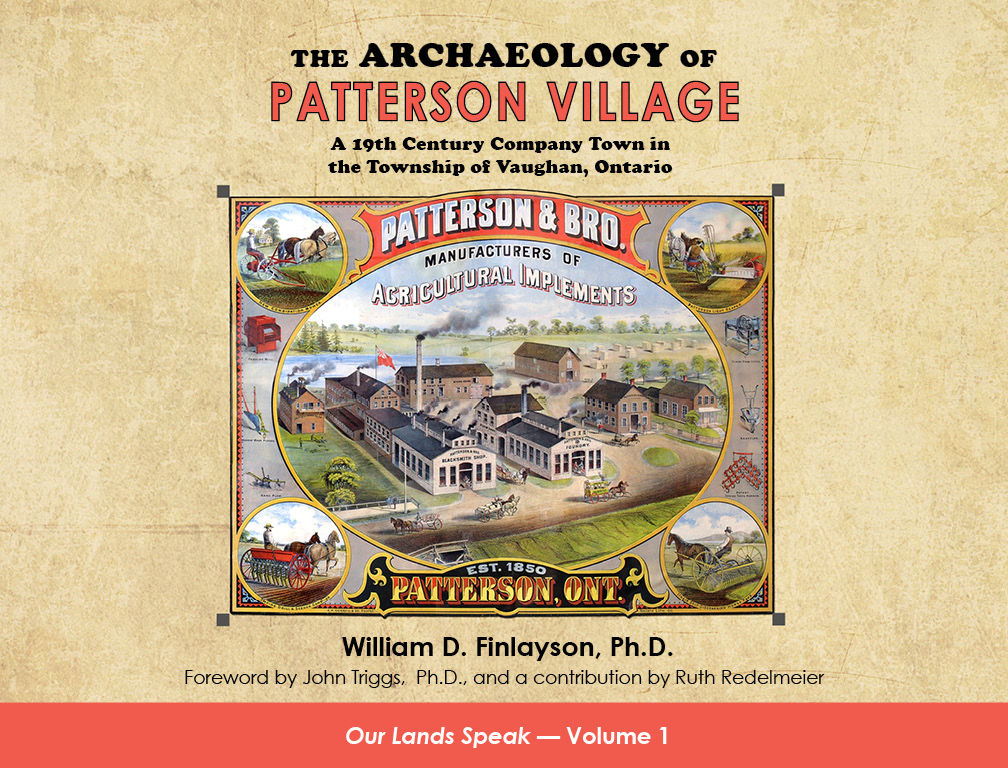
Our Lands Speak is a prolific series of books documenting the fascinating findings of This Land Archaeology Inc. excavations since 2006, led by founder, author, and Ontario’s senior-most archaeologist, Bill Finlayson.
Latest Posts
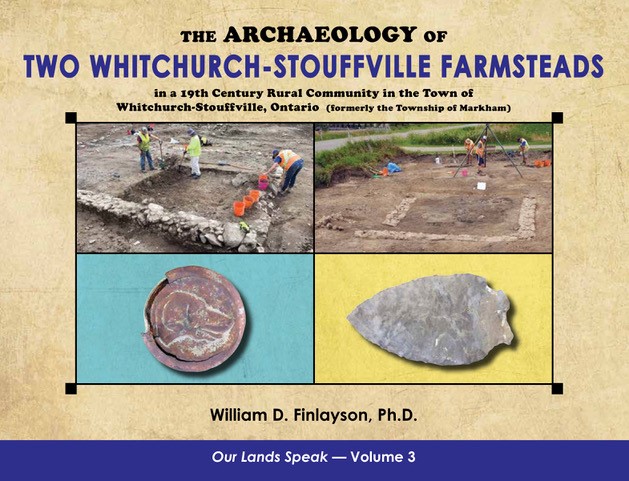
Setting the Stage for the Yake and Windmill Sites, Two 19th Century Farmsteads in Whitchurch-Stouffville Township, Ontario
It’s truly amazing, the coincidence of excavating two 19th century farmsteads located in the agricultural fields of the Indigenous people who occupied the Mantle site (many of whom probably occupied the Draper site as well), while at the same time I’ve been actively reviewing our excavations at Draper from more than 40 years ago. One of the wonderful aspects of my work is that we never know where we will be working and what we are going to find.
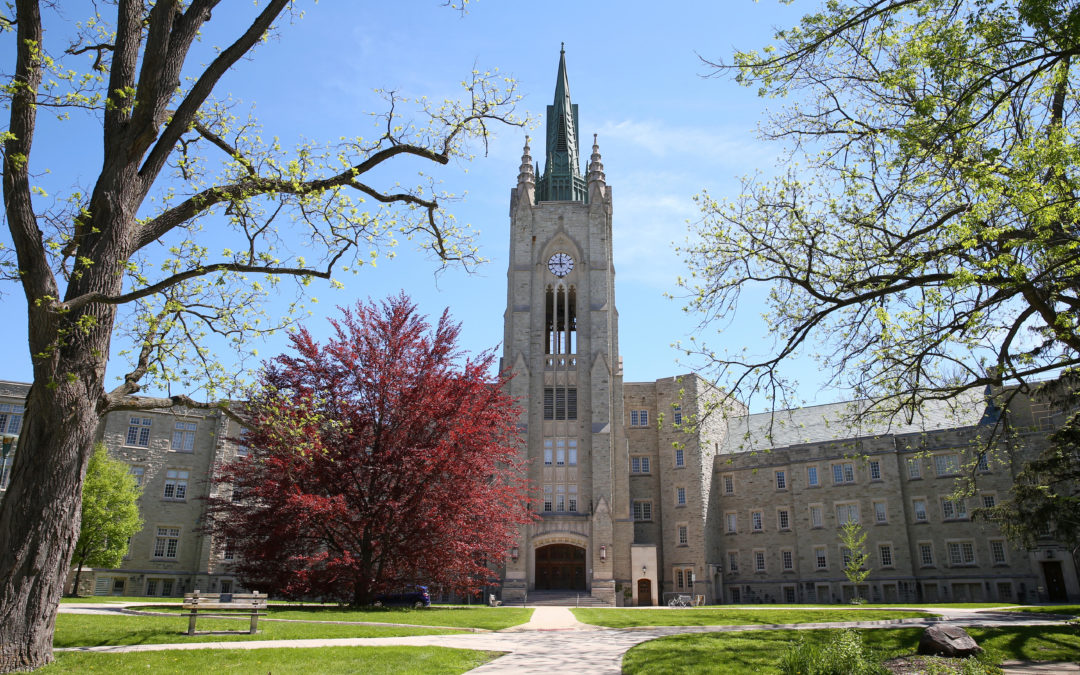
Revitalizing Wilfrid Jury’s Museum of Indian Archaeology and Pioneer Life – Phase 1
The first phase in revitalizing Wilfrid Jury’s museum involved changing reporting responsibility for the museum as a non-academic unit of The University of Western Ontario … With the appropriate research and exploration, we decided to establish the museum as a UWO research centre which would accomplish what we had learned through Professor Ames, in that it would be a separate company with its own charitable registration.
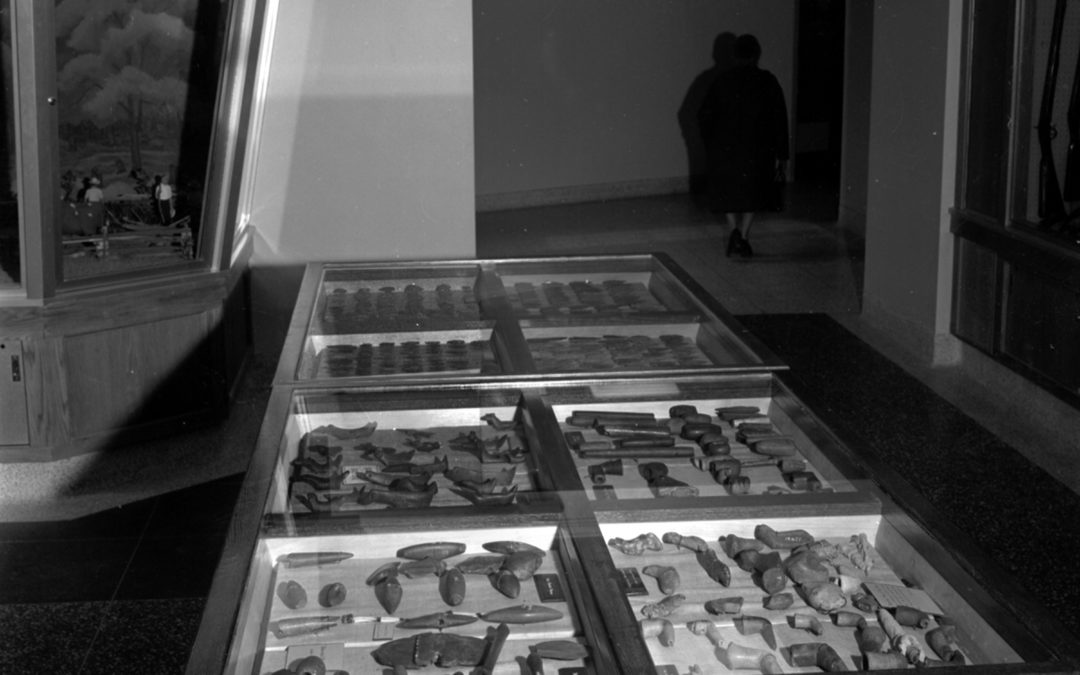
Wilfrid Jury’s Museum of Indian Archaeology and Pioneer Life in 1976
This was state of affairs at the museum at that time. I assumed the position of Executive Director in February 1976 and began the challenge of its revitalization as an archaeological research centre committed to field work, analysis, and reporting of sites in southwestern and southcentral Ontario. It was a daunting task, but one which was rewarding and productive for more than 20 years.
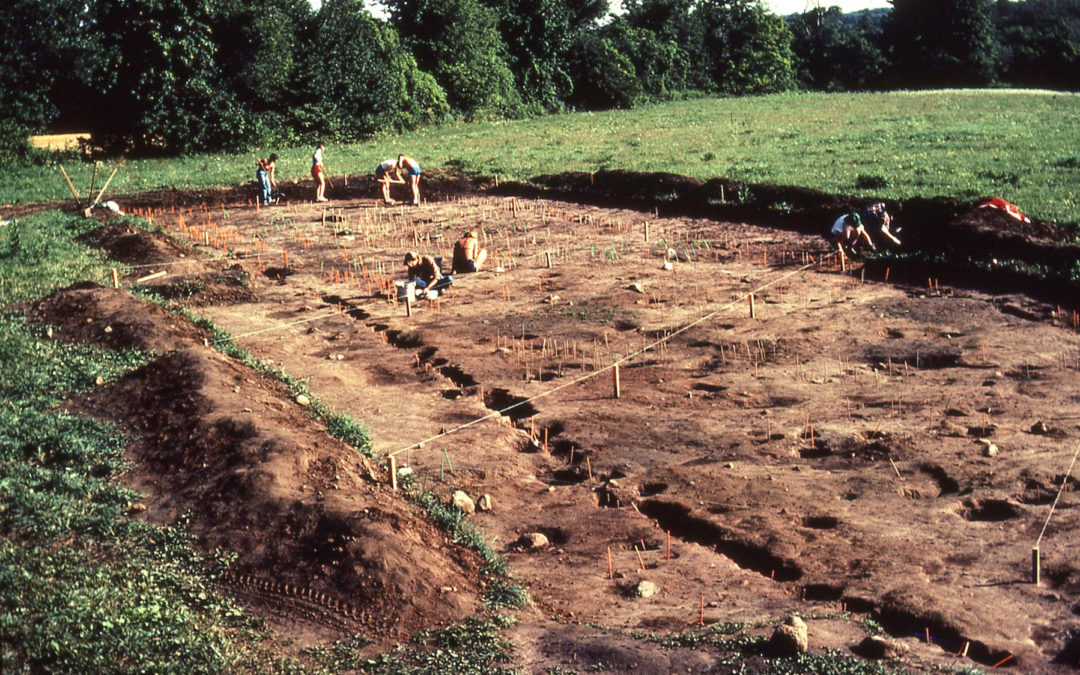
My Early Years at The University of Western Ontario
It was with this background knowledge that I took on the job to dig the Draper site, which was a vital component in the revitalization of Wilfrid’s Museum, in part because it demonstrated the ability of archaeology to continue to attract large contracts to the university. It is also part of the narrative in understanding how the opportunity arose for me to become Executive Director of the Museum without a university salary.
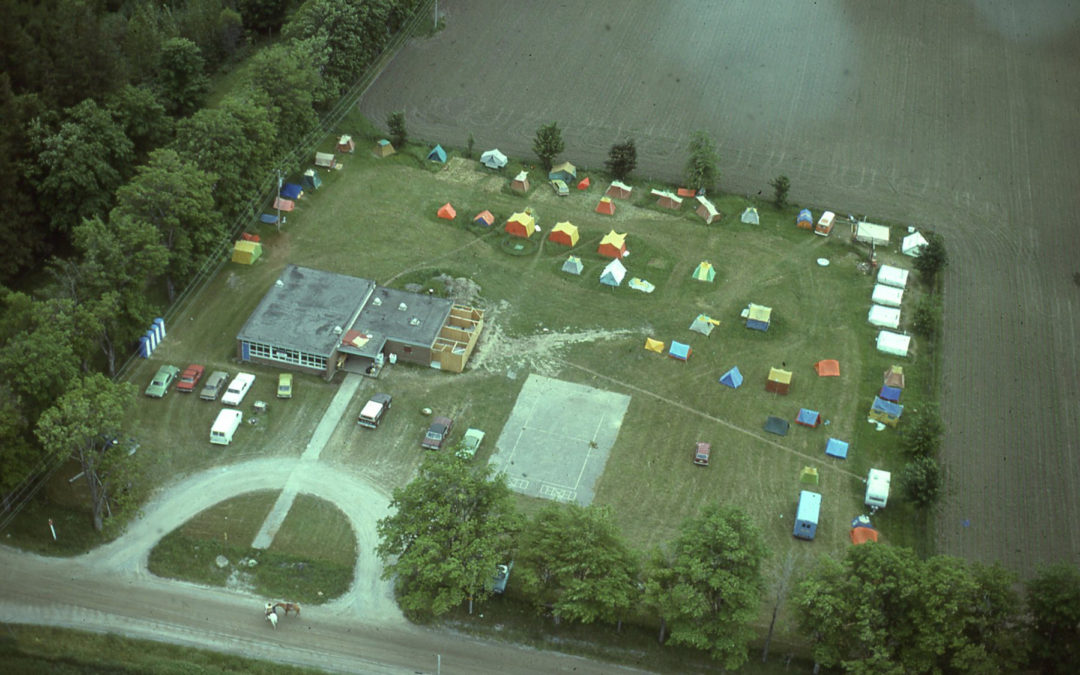
Draper Site Excavations – Trials and Tribulations
One of the challenges in undertaking the excavations at the Draper site in 1975 and 1978 was ensuring the safe operation of the dig, the security of the excavations, and providing accommodations and meals for our crews which at times numbered up to 60 people. These are just a few of the more memorable events at Draper, which remind me of the challenges of directing the size of crews we needed to complete the largest and most significant excavations of an Iroquoian village ever undertaken in the province. Still, one of the highlights of my career I feel fortunate to share and contribute to our archaeological history.
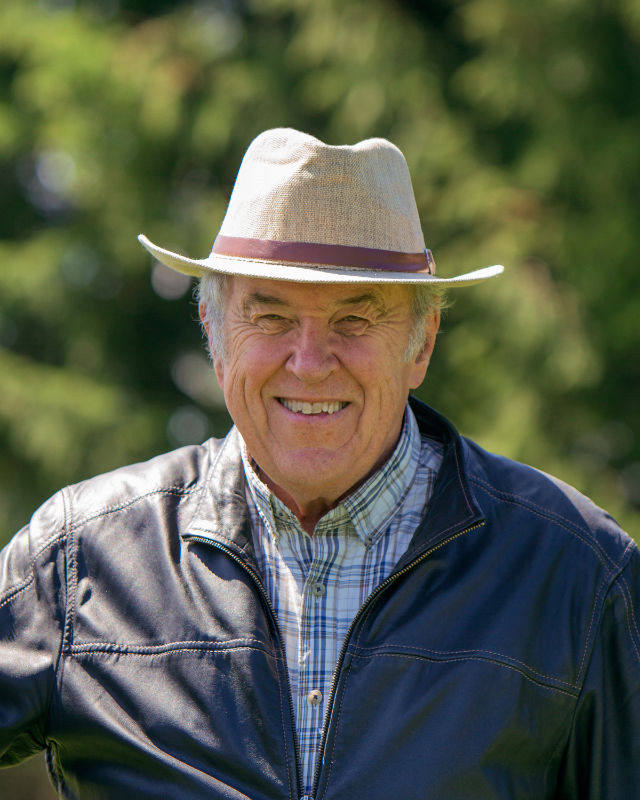
The Brains Behind the Books