The Draper Site Endorsed by James W. Bradley, Ph.D., Director Emeritus of Robert S. Peabody Museum of Archaeology
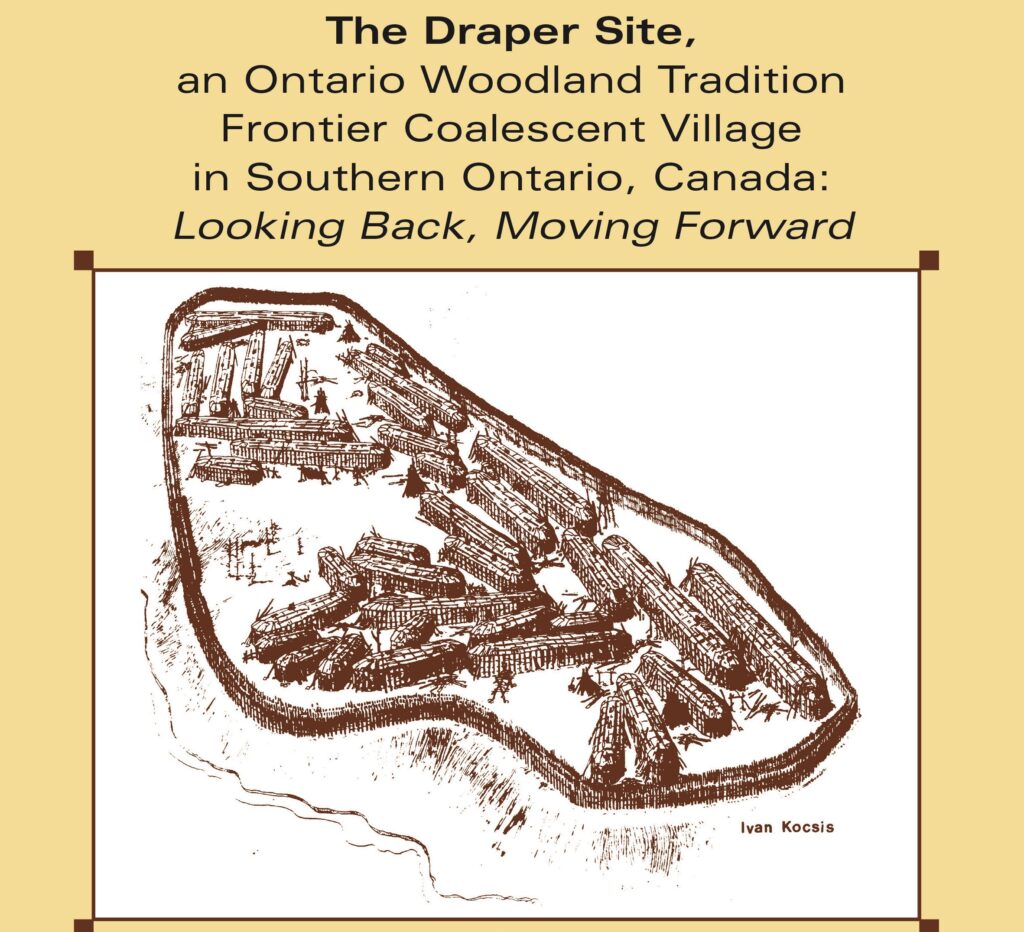
I am tremendously proud to announce the publication of “The Draper Site, an Ontario Woodland Tradition Frontier Coalescent Village in Southern Ontario, Canada: Looking Back, Moving Forward,” the fifth volume in Our Lands Speak series and what I believe is a groundbreaking study. I reviewed more than forty publications, theses, articles, and unpublished reports as a prelude to the reconsideration of some of the key aspects of the Draper site. Draper is used to define a specialized type of coalescent village, the Frontier Coalescent Village. This study provides new insights into the coalescence of at least five smaller villages, some from Duffin Creek and some from further afield at Draper, and the special mechanisms which made this possible and sustainable.
Early Engagement with Indigenous People
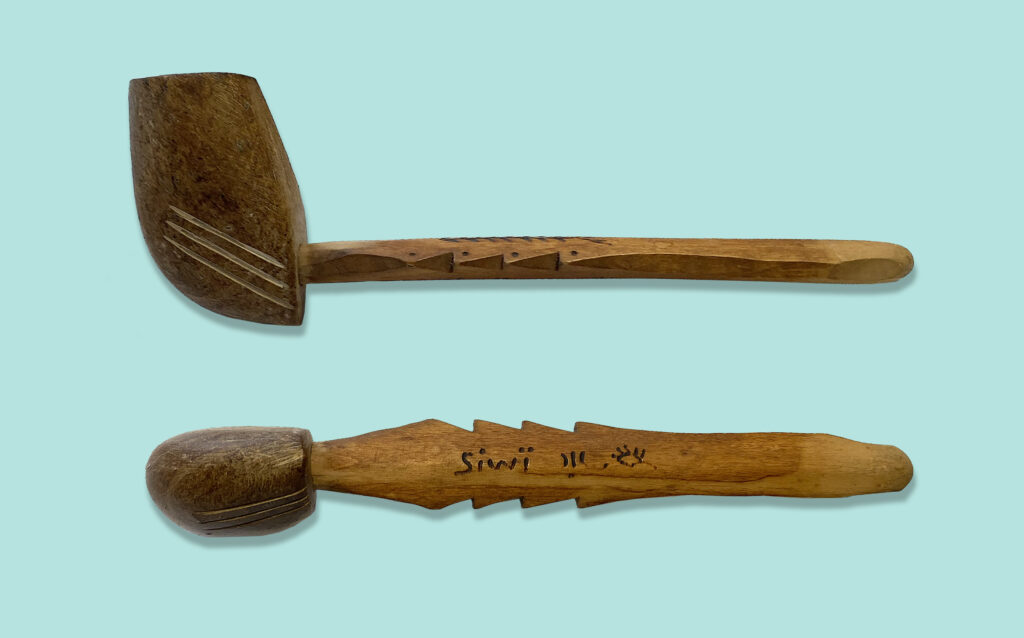
This early program of incorporating Huron-Wendat students from Wendake, Quebec was one of the first examples of sharing the process of archaeological investigations with 20th century Indigenous peoples. One of the fondest memories I have of this pioneering program was being presented with a smoking pipe and stone bowl and a wooden stem made and signed by Regent Sioui for my role in facilitating this program. We continue to look back to move forward.
Evidence for Indigenous Warfare at the Draper Village Site Part 2
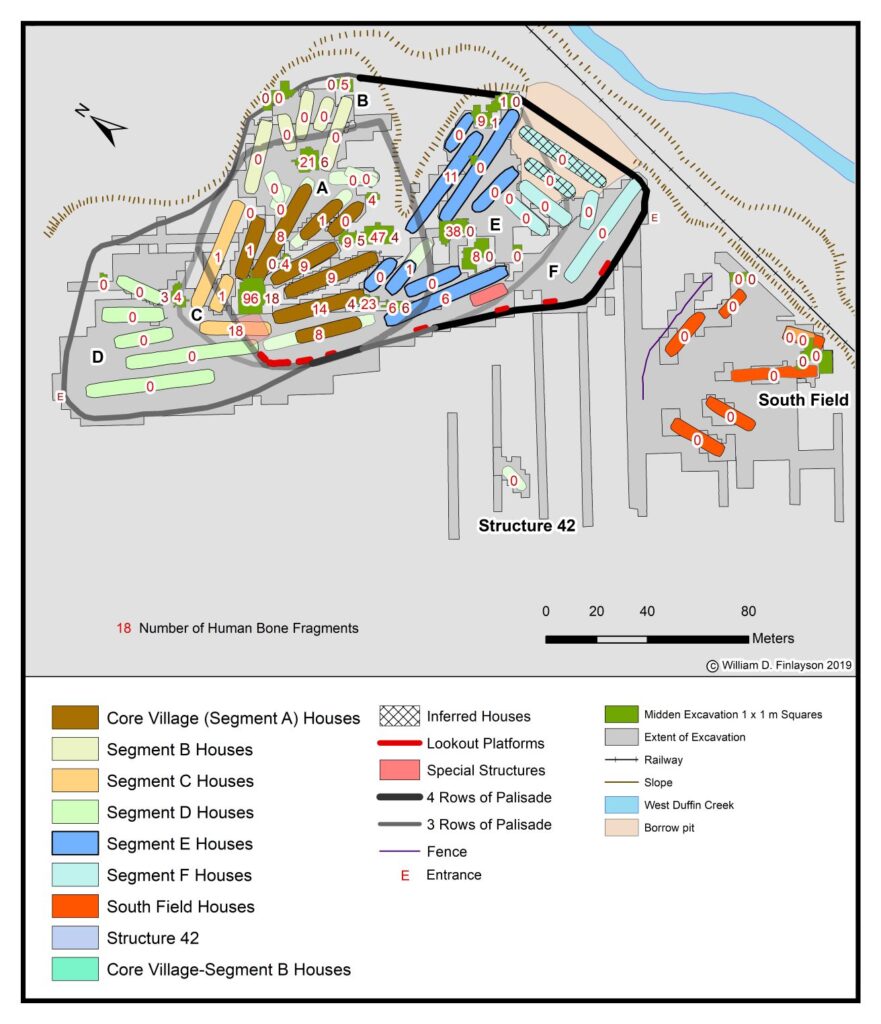
As we continue this sensitive topic from Evidence for Indigenous Warfare at the Draper Village Site Part 1, we reiterate that although this isn’t an easy part of any country’s history to explore, let alone read about or appreciate, it does help to understand the past in a way that gives clarity to the present and future generations of its people. The more research we do into the Late Woodland occupation of southern Ontario by Iroquoian and Anishinabek peoples, the more we realize how little we know and how much more can be learned.